
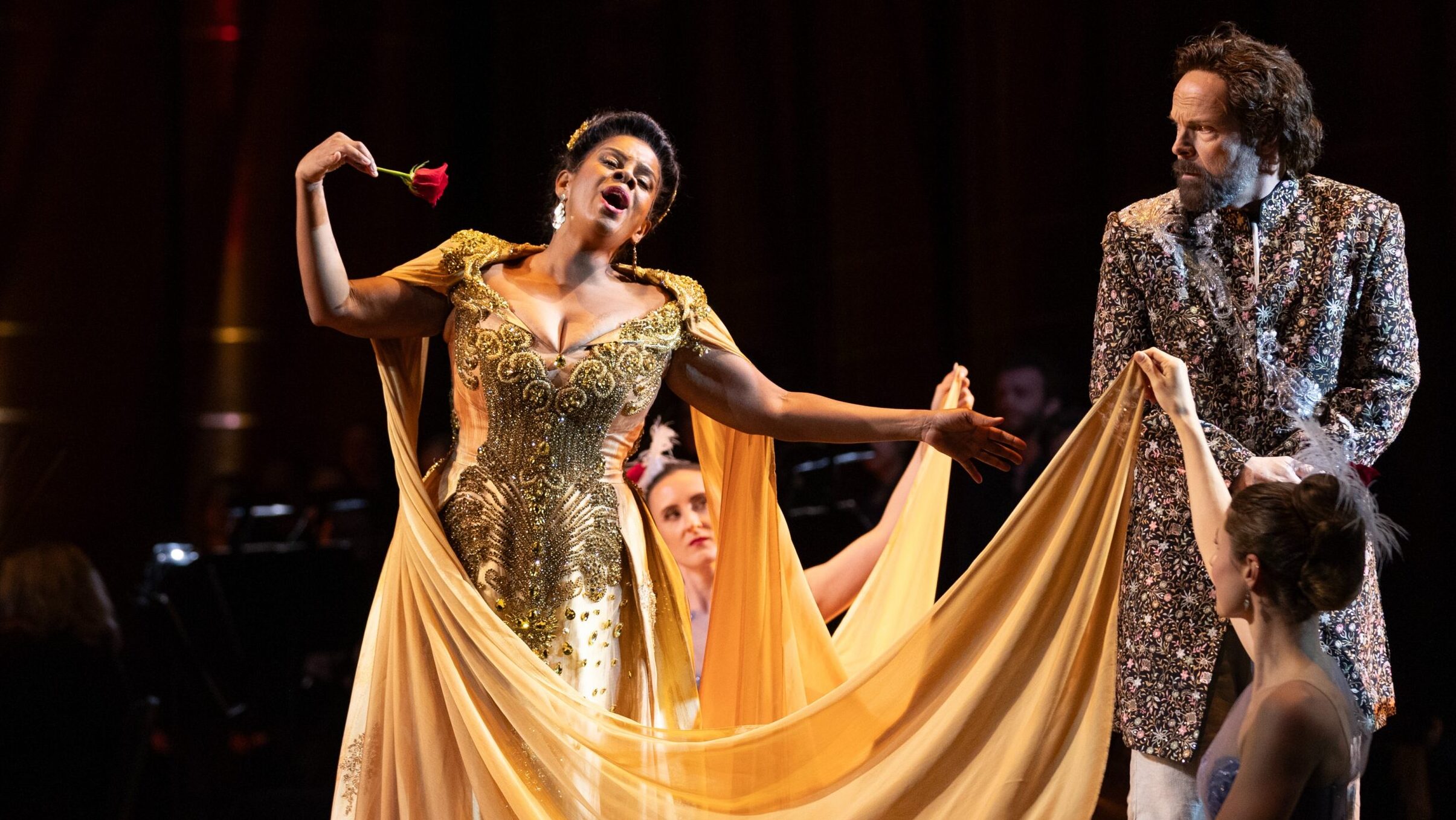
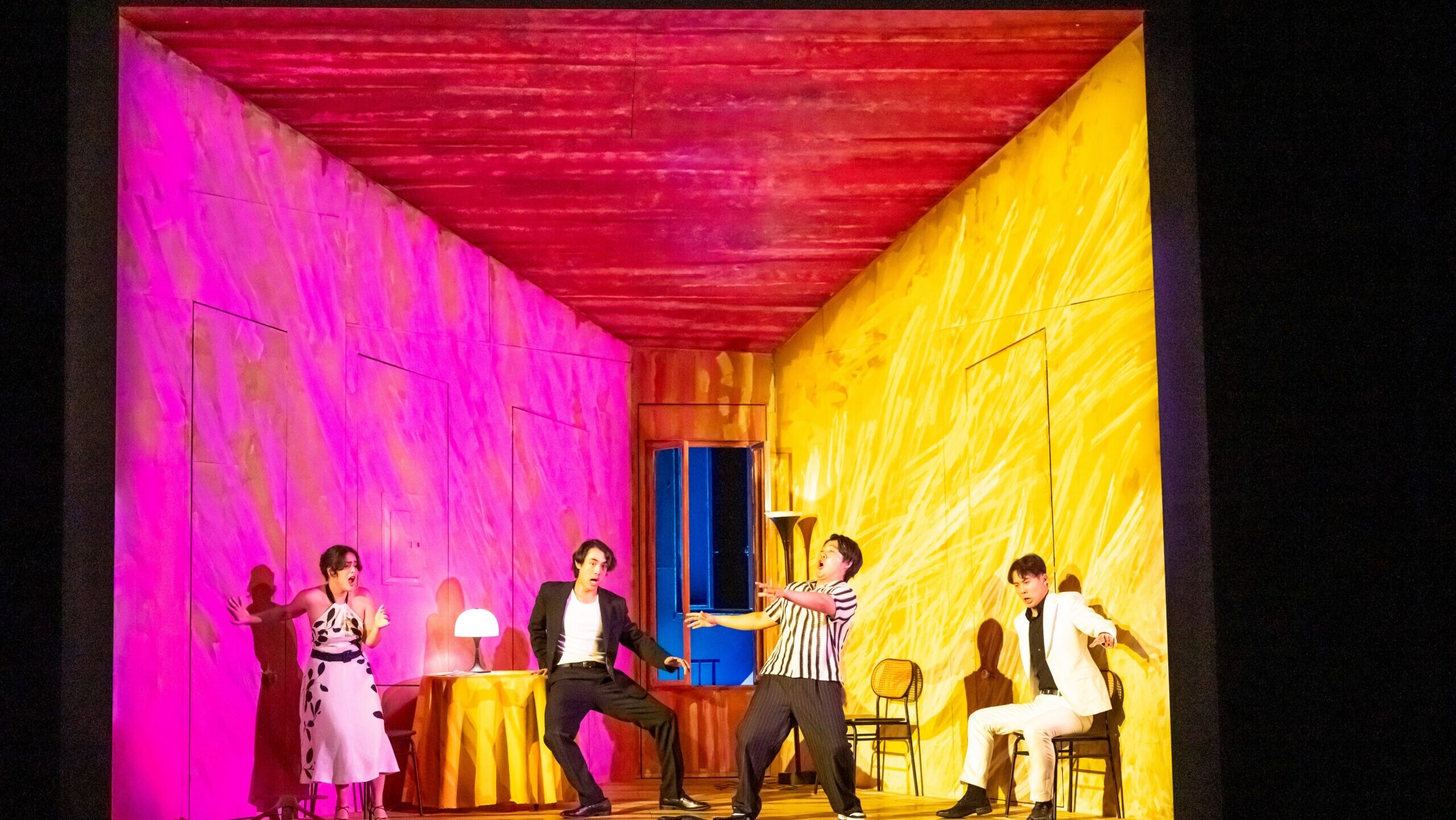
Austin Opera's semi-staged Thaïs ravishes—and raises some rather lofty questions.
During during Art Week NYC, a citywide festival organized by ARTnews, Artforum, and Art in America, I was joined by art advisor Sophia Cohen to explore one of the hottest topics in the art market today: the next generation of collectors.Cohen is the founder of Siren, an art advisory and curatorial consultancy. She started her career working for dealer Gavin Brown, who, Cohen explains, taught her about the importance of being with artists of your own generation and how an art dealer can function as an important steward for the artists they represent. When Brown’s gallery closed in 2020, Cohen pivoted to Gagosian (“the exact opposite,” in her words), where she spent six years, eventually becoming an...

Life was pretty rosy for the 2,000 Irish artists who landed a spot on Ireland’s Basic Income for the Arts (BIA) pilot scheme. For three years, from 2022 to 2025, €325 arrived in their bank accounts every week. The money was intended to provide a dependable income, reduce the need to take on unrelated jobs to cover living costs, and give artists more time to concentrate on making art. Judging by the recipients I spoke earlier this month at Dublin Gallery Weekend (DGW), the pilot was a success. And since the BIA was made permanent in February, thousands more artists are hoping to reap the rewards.“Basic Income for the Arts is a game changer, and now it is here to stay,” Ireland’s minister for culture,...


wind and water create their own abstract compositions
Photographer Jon McCormack captures flamingos flying above wide bands of molten yellow across Kenya’s Lake Magadi. Here, wind and algae have transformed the water into something like an abstract painting, with delicate white silhouettes scattered across its surface. In Iceland, glacial rivers carve pale green channels through orange volcanic sand. A slice of tiger’s eye from Western Australia reveals layers of deep red and gold. Each composition has its own geometry, and it’s entirely shaped by natural processes.
These formations appear throughout Patterns: Art of the Natural World, a photography book published by Damiani. Over five years, the...

Photographer Jon McCormack captures flamingos flying above wide bands of molten yellow across Kenya’s Lake Magadi. Here, wind and algae have transformed the water into something like an abstract painting, with delicate white silhouettes scattered across its surface. In Iceland, glacial rivers carve pale green channels through orange volcanic sand. A slice of tiger’s eye from Western Australia reveals layers of deep red and gold. Each composition has its own geometry, and it’s entirely shaped by natural processes.
These formations appear throughout Patterns: Art of the Natural World, a photography book published by Damiani. Over five years, the...
I don't know about "gained," but this is a great French piece in Italian translation that I have always enjoyed.

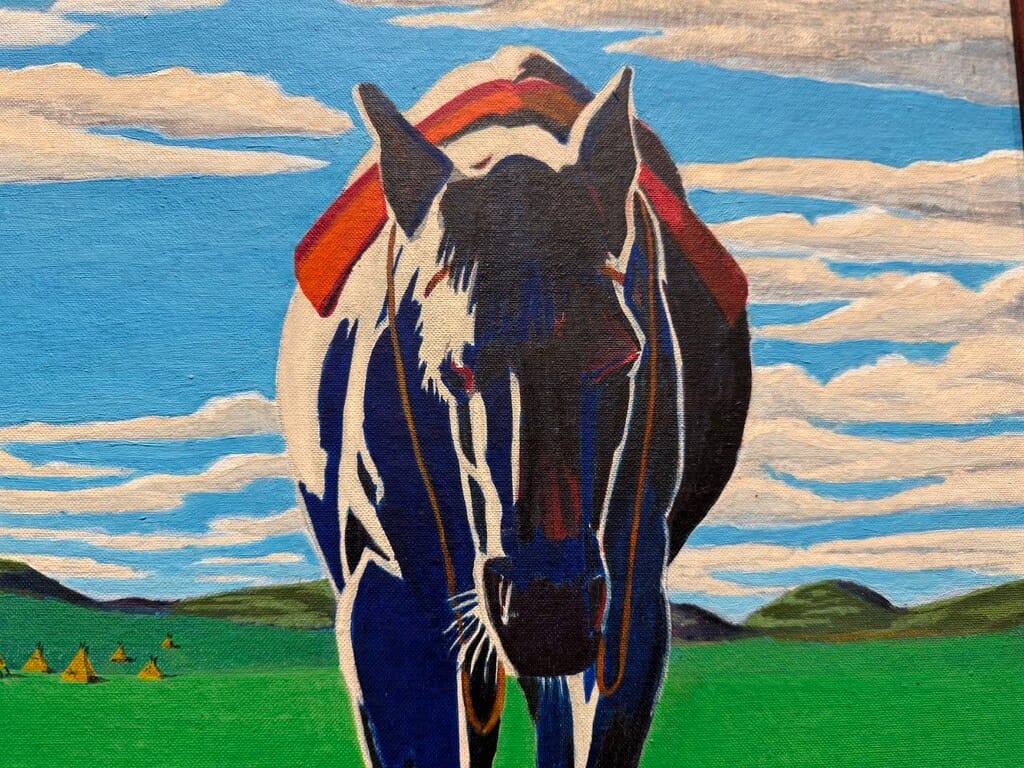
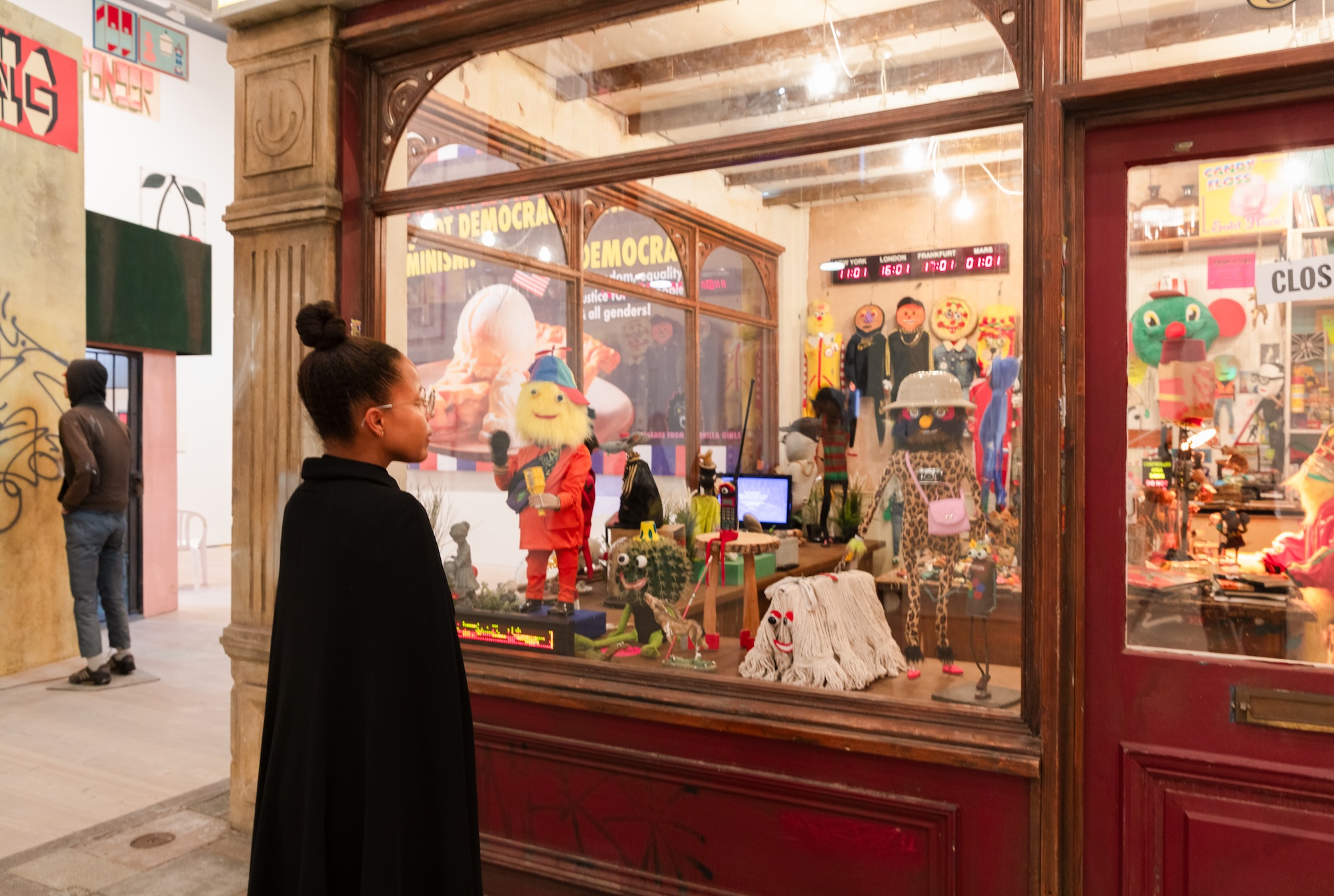
Swimming in a Peter Bradley color field. Leaping from dot to dot on a Howardena Pindell speckled canvas. A Peter Jemison horse prances toward me. A Pepsi Cherry truck pulls over as I’m having deep thoughts about authenticity.In the morning glow, a pretty woman walks down the sidewalk with a carton of a dozen eggs. A faded black-and-white Marilyn Monroe poster greets customers at the Organic Deli. A photo in the paper shows the presidents of the United States, China, and Russia against a giant painting of the Great Wall. A Madonna song whispers, “Express yourself, express yourself.”A well-dressed man cycling to work is nice to look at. A Hilma af Klint painting sells for $12.7 million at auction, 16 times...
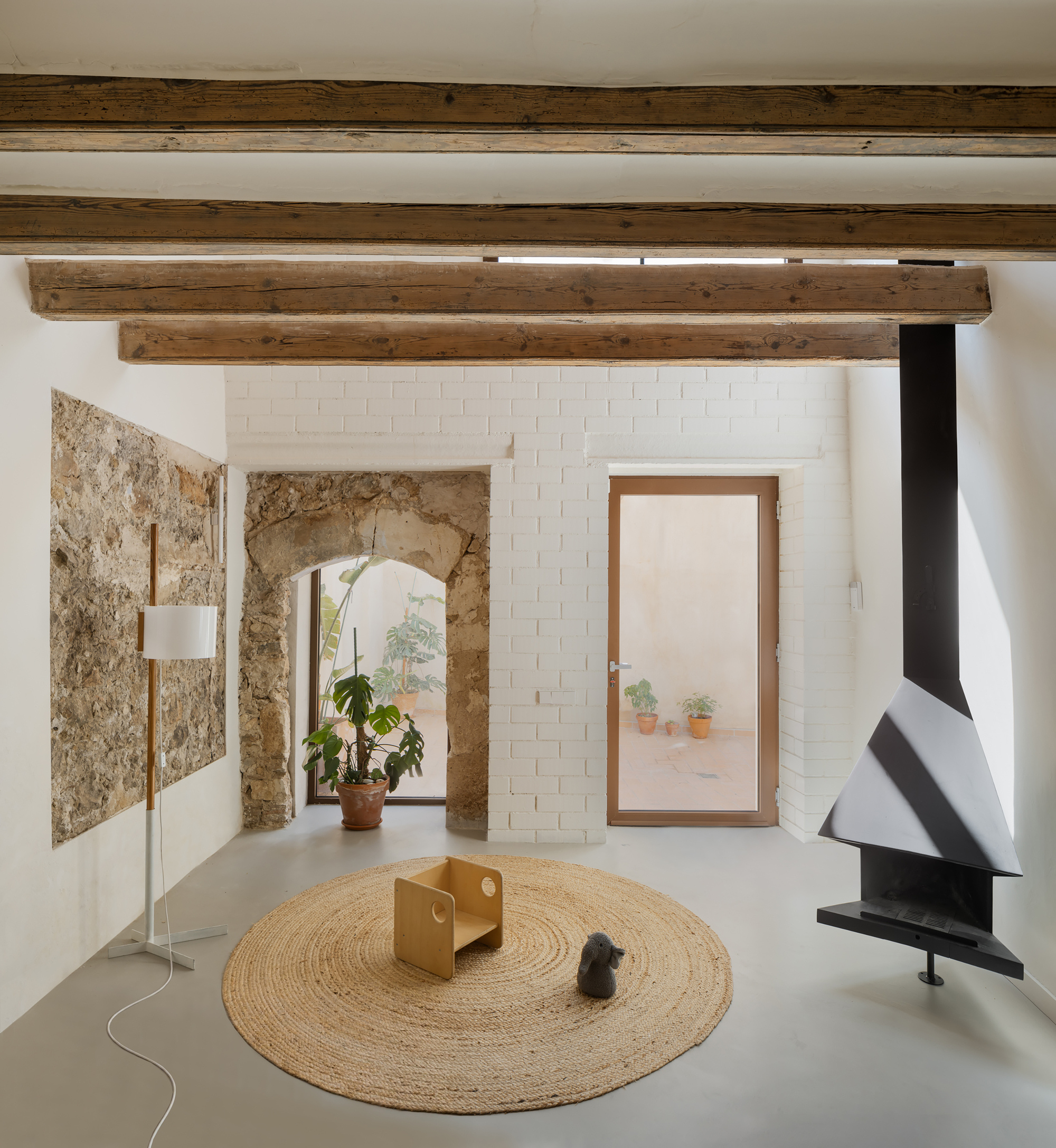

bureau de change designs nikos koulis boutique
London-based architecture studio Bureau de Change has designed a new boutique for Greek jeweler Nikos Koulis in Paris, where sculptural limestone displays occupy the ground floor and a pair of cross-shaped cabinets conceal octagonal rooms upstairs. The retail project occupies an 18th-century building on rue Boissy d’Anglas and marks the studio’s second collaboration with the jewelry house.
Nikos Koulis’ Paris boutique occupies an 18th-century building in Paris | images © Chloé Le Reste
an 18th-century paris building becomes a jewelry atelier
Following their earlier collaboration in Athens, the team at Bureau de Change approached the Paris...
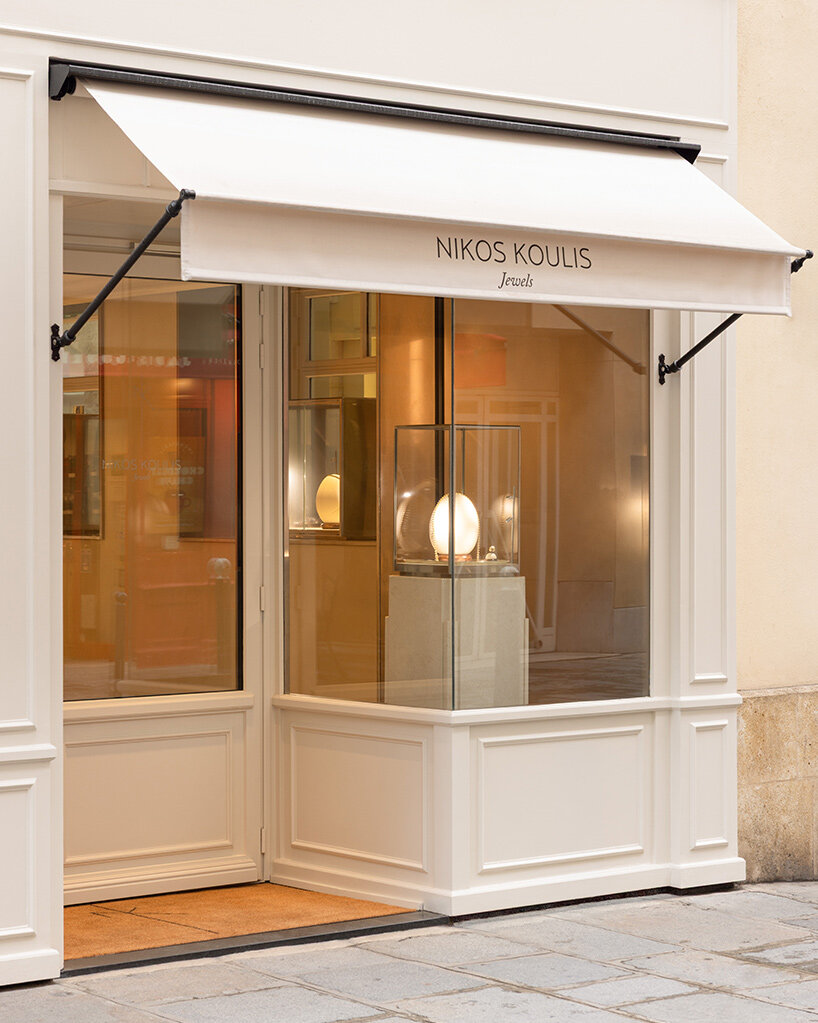
London-based architecture studio Bureau de Change has designed a new boutique for Greek jeweler Nikos Koulis in Paris, where sculptural limestone displays occupy the ground floor and a pair of cross-shaped cabinets conceal octagonal rooms upstairs. The retail project occupies an 18th-century building on rue Boissy d’Anglas and marks the studio’s second collaboration with the jewelry house.
Nikos Koulis’ Paris boutique occupies an 18th-century building in Paris | images © Chloé Le Reste
an 18th-century paris building becomes a jewelry atelier
Following their earlier collaboration in Athens, the team at Bureau de Change approached the Paris...
Stellar PAVILION by EDYTA AUGUSTYNOWICZ and Summum Engineering
Installed on the village square of Stein, Switzerland, the Stellar Pavilion is a 19.8-by-19.8-meter timber canopy designed by Edyta Augustynowicz in collaboration with Rotterdam-based structural engineering studio Summum Engineering and built by general contractor ERNE AG Holzbau. Positioned between the local school, town hall, and Saalbau event hall, the open-sided pavilion defines the public plaza and spans 11.3 meters between four tree-like timber columns to leave the central gathering area unobstructed. Topped by a translucent Polyned membrane that filters daylight, the folded timber lattice draws on two historical references: the neo-Gothic...
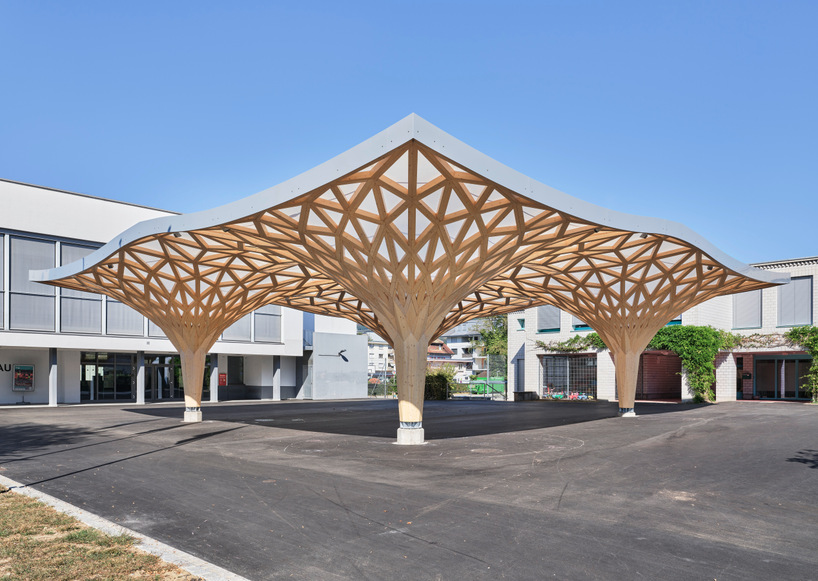
Installed on the village square of Stein, Switzerland, the Stellar Pavilion is a 19.8-by-19.8-meter timber canopy designed by Edyta Augustynowicz in collaboration with Rotterdam-based structural engineering studio Summum Engineering and built by general contractor ERNE AG Holzbau. Positioned between the local school, town hall, and Saalbau event hall, the open-sided pavilion defines the public plaza and spans 11.3 meters between four tree-like timber columns to leave the central gathering area unobstructed. Topped by a translucent Polyned membrane that filters daylight, the folded timber lattice draws on two historical references: the neo-Gothic...
“Driving at rush hour. SIGNIFICANTLY less cars on the road.” The text was from Miami-based artist, educator, and organizer misael soto, sent yesterday, November 19, a few hours after the release of Grand Theft Auto VI. We’d come full circle: The bumper-to-bumper traffic that Miami, the city I once called home, is now notorious for — in no small part due to overdevelopment, climate change, and strained infrastructure — was being alleviated by a video game that keeps people at home, inside a simulation of the same city locked in time.The premise of GTA VI is simple on the surface. The game follows Lucía Caminos and Jason Duval in the criminal underworld of Leonida, a fictionalized state based on...

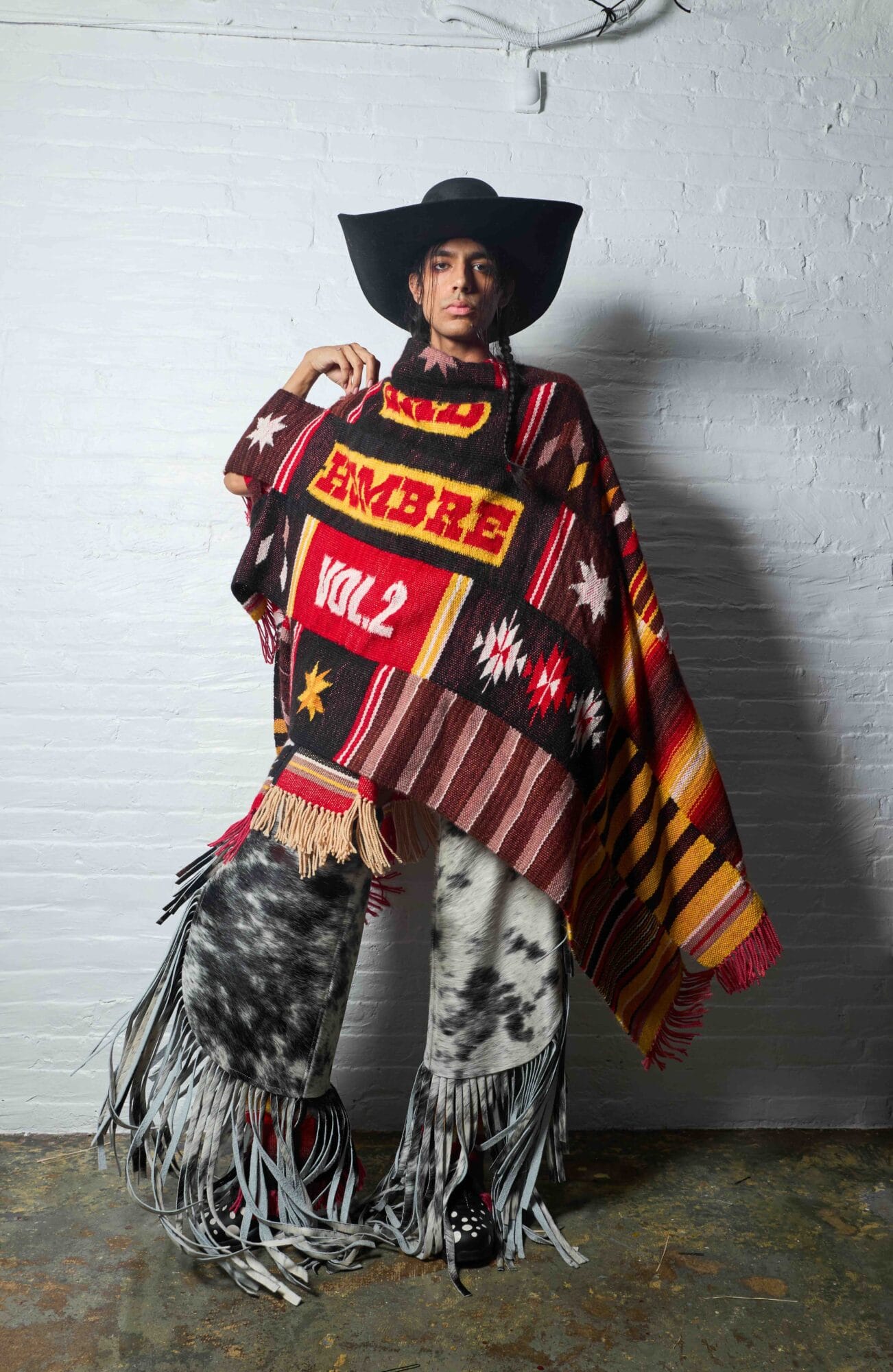
Josh Tafoya's "Bad Hombre" (2026) (image courtesy the artist)Patricia Belli, Troy Montes Michie, Willy Chavarria, and Camila Falquéz are among the 20 artists and designers who will be featured in Malvestir, MoMA PS1's upcoming exhibition on the visual lexicon of Latin American fashion, opening in April 2027.A portmanteau of the Spanish words mal (poorly) and vestir (to dress), Malvestir features creatives across the Americas who probe the historical and contemporary resonances of Latin American dress. Western appropriations of Indigenous crafts, exorbitant textile waste, and the fetishization of Latin American styles are just some of the key concerns that will be interrogated in the...
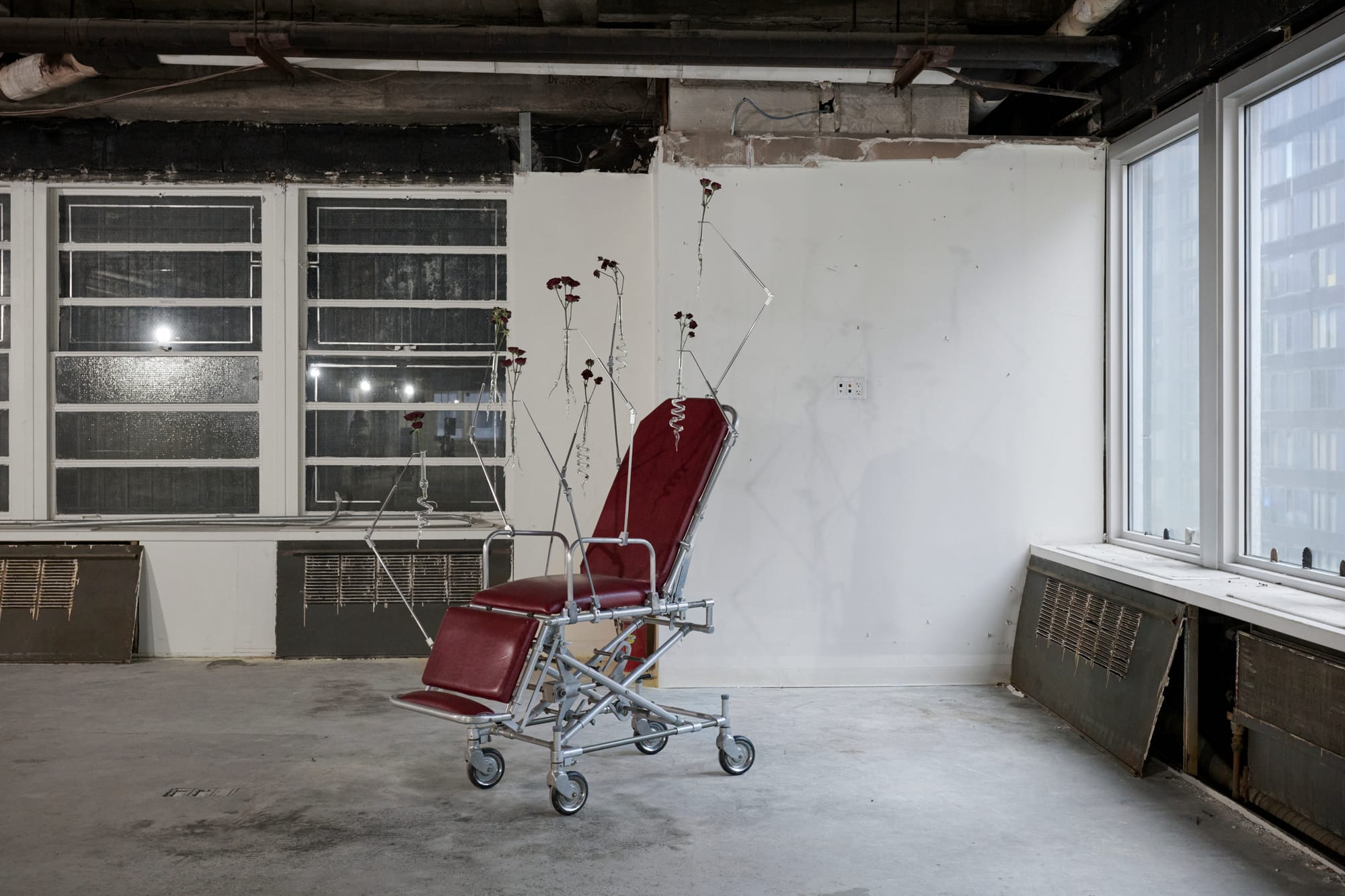
A few hours before 260 Madison opened on September 24, I trekked to its namesake address in Midtown to meet the curators. A security guard directed me to the 14th floor of the 1950s office building, where drop ceilings, an exposed HVAC system, and two people I assumed were the exhibition organizers dressed in corporate drag greeted me. They quickly clarified they were not; they were from AmTrustRE, the real estate company that offered the derelict 23,000-square-foot office space to the artists for free while preparing it — and three other unoccupied floors — for their next corporate tenants. The three artists-turned-curators, Shaina Tabak, Dayana Matasheva, and Edson Niebla Rodríguez (the latter two of...
Ten countries in the European Union have urged the European Commission to keep Russia out of Venice’s 2027 architecture biennale. The effort is led by Poland and includes Austria, Croatia, Denmark, Estonia, Finland, Germany, Latvia, Lithuania, and Sweden. The countries say that allowing Russia to participate normalizes its actions in Ukraine. Russia participated in this […]

The St Volodymyr’s Cathedral and the St Michael’s Golden-Domed Cathedral and Monastery in Kyiv are among the heritage buildings targeted in recent Russian attacks

This Sunday, the Venice Biennale will award its new “Visitors’ Lions.” But no matter who receives this poisoned chalice, the results are void. Stripped of the silver and gold they wore in previous iterations of the Biennale, the new Lions have been thrown to the tourists; “Best Artist” and “Best National Pavilion” will be decided by a popularity contest. Why this surprising democratic turn? The expert jury initially appointed to give these honors resigned en masse in April of this year. These resignations were, in part, the result of the Art Not Genocide Alliance’s (ANGA) nearly three years of campaigning to exclude the Israel pavilion from the art world’s most important biennial. After the...

King Philip II of Spain wasn’t particularly impressed with El Greco’s The Martyrdom of Saint Maurice and the Theban Legion when he first saw it. The following four centuries of dirt, varnish, and enthusiastic repainting hadn’t done the picture any favors, either. A painstaking nine-month restoration, recently finished, has found the monumental painting looking considerably more like the one El Greco envisioned. The muddy browns and sickly greens that had dulled the picture for generations are gone. In their place are brilliant blues, reds, yellows, and purples, along with a newfound depth that had been buried beneath grime. The restoration was conducted at Madrid’s Royal Collections Gallery, under the...
Paisley Museum, which holds one of the largest municipal art collections in Scotland, is set to reopen its doors to the public early next year following the first major renovation in its 150-year history. The £68.7 million transformation began in 2018 but suffered delays from Covid, construction setbacks, and inflation, the Museums Association reports. The […]

Practising Multispecies
Normally, animals live in parts of our cities that are underused or ignored. They are often an unseen presence, almost like ghosts, as we tend to avoid one another in everyday life. Over the last fifty years, human activities have caused the loss of more than two-thirds of the world’s wildlife population, according to a new report from the World Wildlife Fund, stating that their “findings are clear” and “our relationship with nature is broken”. More and more non-human species are forced to adapt to live in urban environments in order to survive. Cities have become extreme habitats: polluted and noisy, dominated by artificial light and concrete. In these unfamiliar...
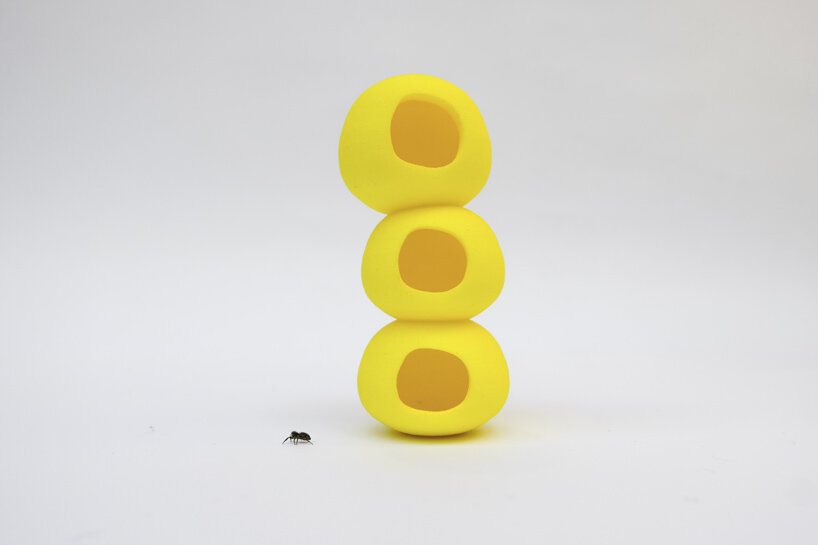
Normally, animals live in parts of our cities that are underused or ignored. They are often an unseen presence, almost like ghosts, as we tend to avoid one another in everyday life. Over the last fifty years, human activities have caused the loss of more than two-thirds of the world’s wildlife population, according to a new report from the World Wildlife Fund, stating that their “findings are clear” and “our relationship with nature is broken”. More and more non-human species are forced to adapt to live in urban environments in order to survive. Cities have become extreme habitats: polluted and noisy, dominated by artificial light and concrete. In these unfamiliar...
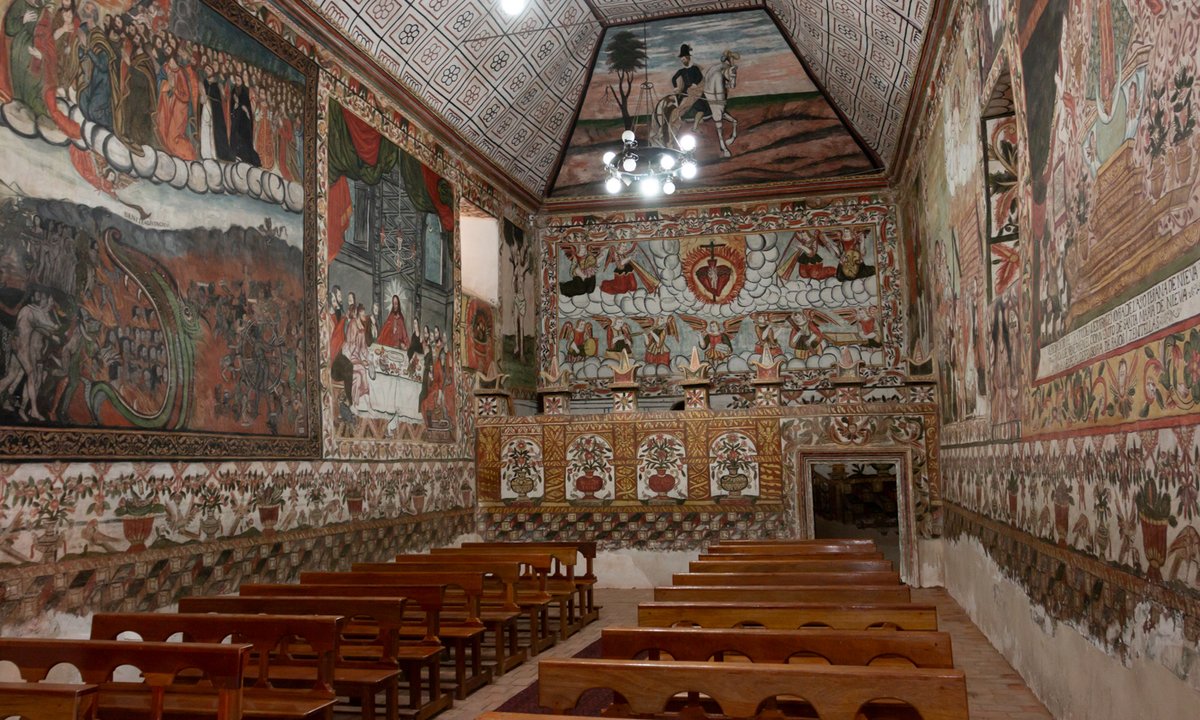
Famous for its murals, the Bolivian church of Santiago de Curahuara de Carangas has undergone restoration work on its roofs, buttresses and walls
The new Grand Theft Auto arrived this week, the messianic reward after 13 long years, offering the best-rendered version of the series’ standing promise: anything, within the scope of its metropolis and the player’s imagination. I watched my cousin paint a house for his avatar’s girlfriend, then hop in a car and drive to the Bass Museum. Or rather, to the Vice City Museum of Art, the faithful replica of it in Vice City, the game’s fictional Miami. Rockstar teased that Grand Theft Auto VI would boast the franchise’s sharpest graphics yet, and the claim was not exaggerated. The Vice Museum of Art captures the Bass’s signature civic Art Deco style: a pale limestone facade (the real stuff was quarried...

A New York judge has refused to throw out a lawsuit over a 15th-century Fra Angelico painting that the heirs to the Bic pen fortune say was stolen by their family chauffeur and later sold by the late art dealer Richard Feigen. In a decision dated October 26 and filed on November 16, New York Supreme Court Justice James G. Clynes rejected an attempt by Feigen’s estate and associated businesses to get the case dismissed. Their main argument? The family had waited too long to sue. “No family should lose a treasured work of art simply because the people who handled this stolen property were sophisticated dealmakers,” Luke Nikas, a lawyer for the Bich family, told ARTnews. The Bich family is determined to...

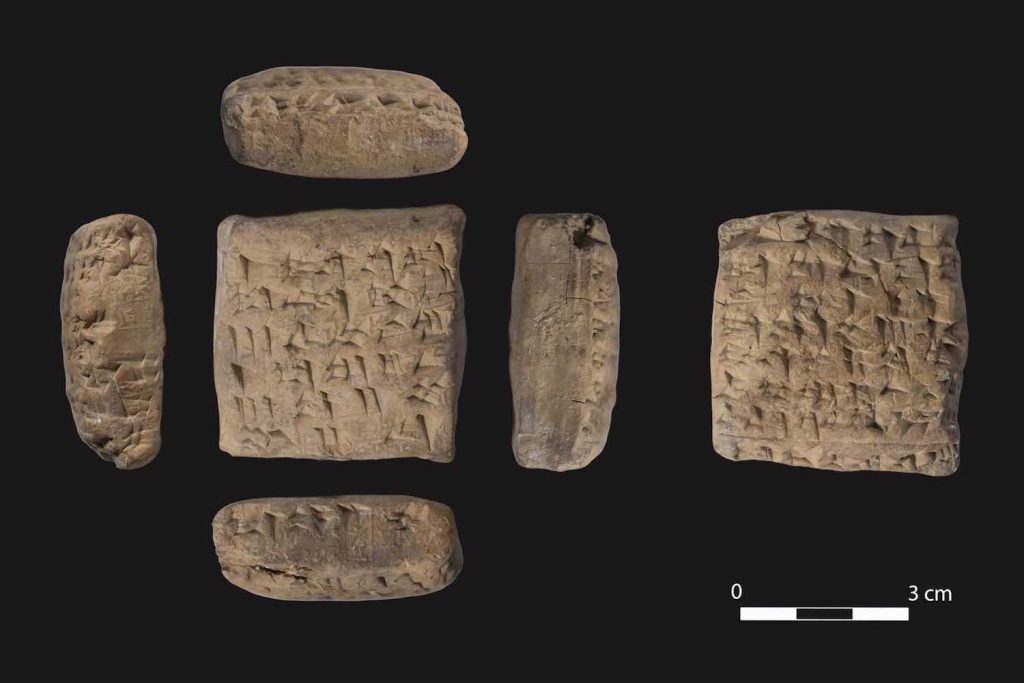
Cuneiform tablets BAGHDAD, IRAQ—La Brújula Verde reports that researchers led by Nicola Laneri of the University of Catania are continuing to excavate the site of a 3,800-year-old building at Tell Muhammad, which is located near the Tigris River in central Iraq. A cuneiform tablet recording an agreement to borrow barley and beer was found in one of the building’s rooms. The contract had been signed in front of two witnesses. The space where the tablet was uncovered features a semicircular mudbrick counter facing the street, and a mudbrick basin that may have been used for brewing or making bread. At the edge of the room, the researchers unearthed a section of the city’s 16-foot-thick outer wall. In all,...
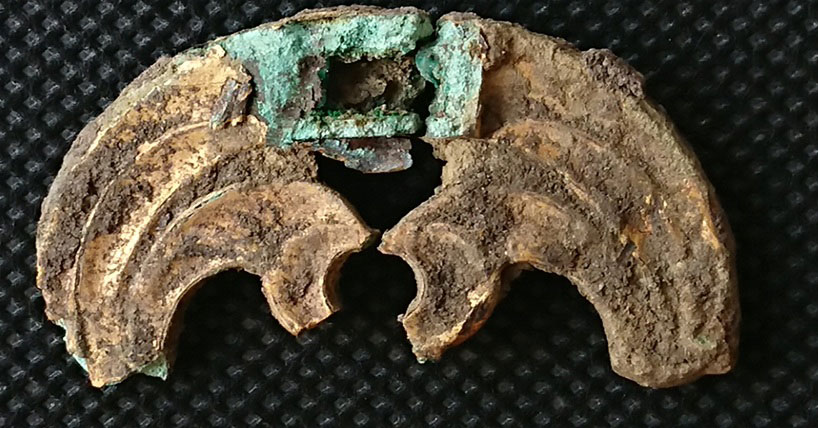
Roman cavalry dangler REDESDALE, ENGLAND—A student excavation at a site on the Roman frontier in northeastern England uncovered several artifacts linked to Roman elites and military service, according to a statement released by Newcastle University. The first, a piece of gold chain measuring almost three inches long, is made of individual rings that were pinched into figure-eight shapes, folded, and then interwoven. A small lead sheet bearing a Latin inscription may have been used as a personal message, a curse tablet, or a commercial seal. A gilded bronze fitting in a crescent shape could have been attached to a military belt, a horse harness, or a scabbard. A carved carnelian intaglio depicting the god...
a once-unbuyable C 111-II gullwing heads to auction
Mercedes-Benz is preparing to auction its 1970 C 111-II experimental supercar in Paris on February 3rd, 2027, the first time one of its legendary C 111 prototypes will be offered for public sale. The orange, wedge-shaped coupe is expected to fetch more than €25 million through RM Sotheby’s.
When the C 111 debuted in 1969, prospective buyers reportedly sent blank checks to Mercedes-Benz in hopes of securing one. The company kept the cars for its experimental program, and a production version never followed.
Only 17 examples were built across the C 111 generations, with 13 surviving today. The example heading to auction, known internally as Car 33,...

Mercedes-Benz is preparing to auction its 1970 C 111-II experimental supercar in Paris on February 3rd, 2027, the first time one of its legendary C 111 prototypes will be offered for public sale. The orange, wedge-shaped coupe is expected to fetch more than €25 million through RM Sotheby’s.
When the C 111 debuted in 1969, prospective buyers reportedly sent blank checks to Mercedes-Benz in hopes of securing one. The company kept the cars for its experimental program, and a production version never followed.
Only 17 examples were built across the C 111 generations, with 13 surviving today. The example heading to auction, known internally as Car 33,...
TARTU, ESTONIA—Estonian Public Radio reports that analysis of proteins recovered from the dental enamel of children interred at two cemeteries in Estonia during the late Iron Age and early medieval period suggests that children’s burials became more complex and differentiated by gender around the age of 10. In these two cemeteries, the children’s burials were placed in the same areas as the adults. “From my initial results, it seems that around the age of ten is a turning point, where the quantity and complexity of grave goods changes,” said Karin Rannaäär of the University of Tartu. “The assumption has been that boys have more weapons and tools, and girls more jewelry,” she explained. Younger...
MÉRIDA, SPAIN—According to the Greek Reporter, well-preserved wall paintings have been discovered in a courtyard surrounded by columns within a Roman dwelling at Huerta de Otero, an archaeological site in western Spain, by archaeologists led by José Vargas. The paintings feature images of peacocks, cranes, two deer chased by a feline predator, and mythological figures such as a satyr. A mosaic depicting Medusa was previously discovered in a room of the house. It is not yet known who occupied the house, which covers more than 54,000 square feet. For more on the Medusa mosaic, go to “The Medusa of Mérida.” Wall painting in the Huerta de Otero, Mérida, Spain
The post Well-Preserved Murals Uncovered at...
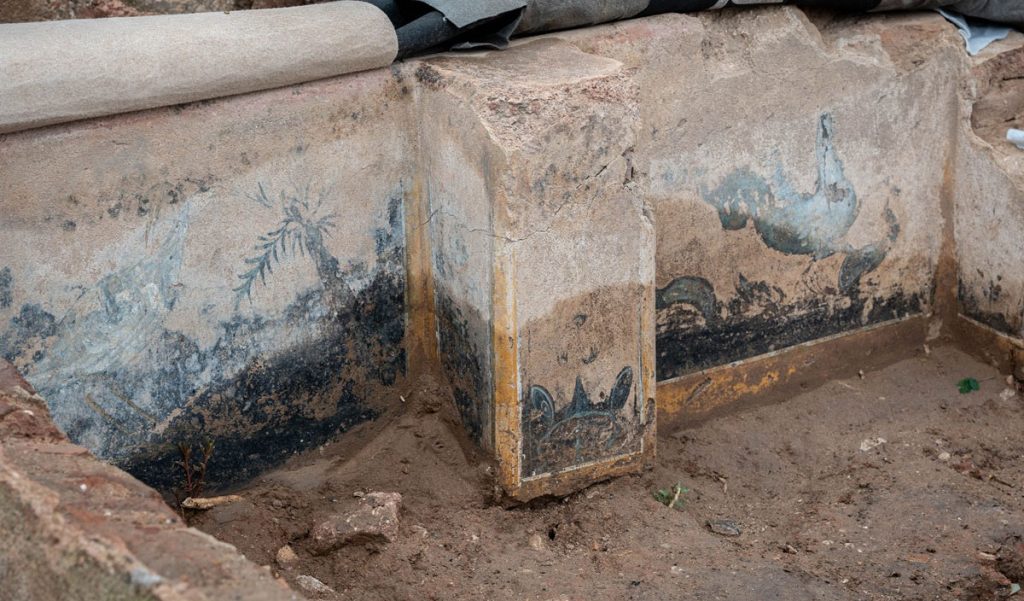
The post Well-Preserved Murals Uncovered at...
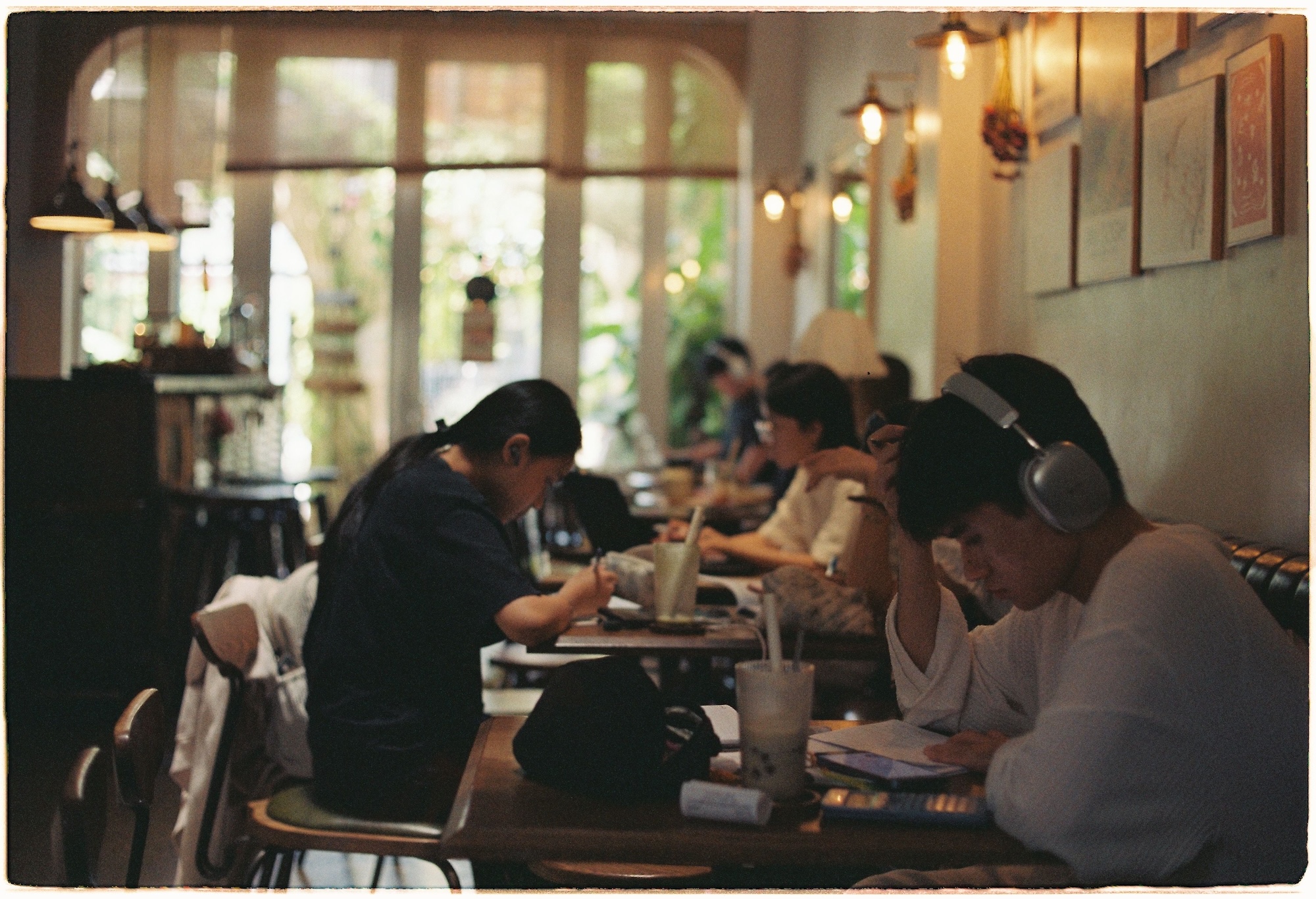
The modern coffeehouse is no longer just where you grab your morning caffeine fix – it’s where people work, connect,... Read More
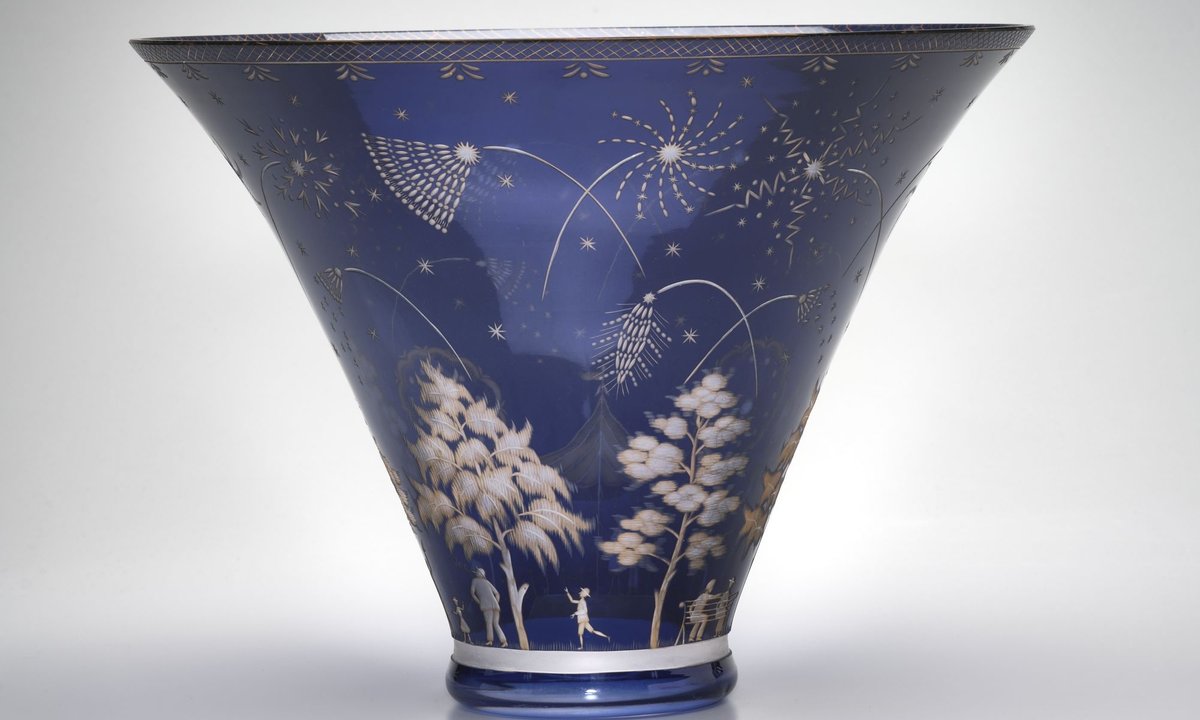
A promised donation of 56 glass works from the Bronfman family, accompanied by an endowment for a new curatorial position, marks a significant expansion of the museum’s decorative arts holdings
San Diego is getting a new contemporary art museum. The 12,000-square-foot space, called the Strauss Family Gallery, will open next spring. The museum will be free and open to the public. It will host a variety of exhibitions, residencies, and public programs. The museum will be part of the University of California, San Diego. Museums […]

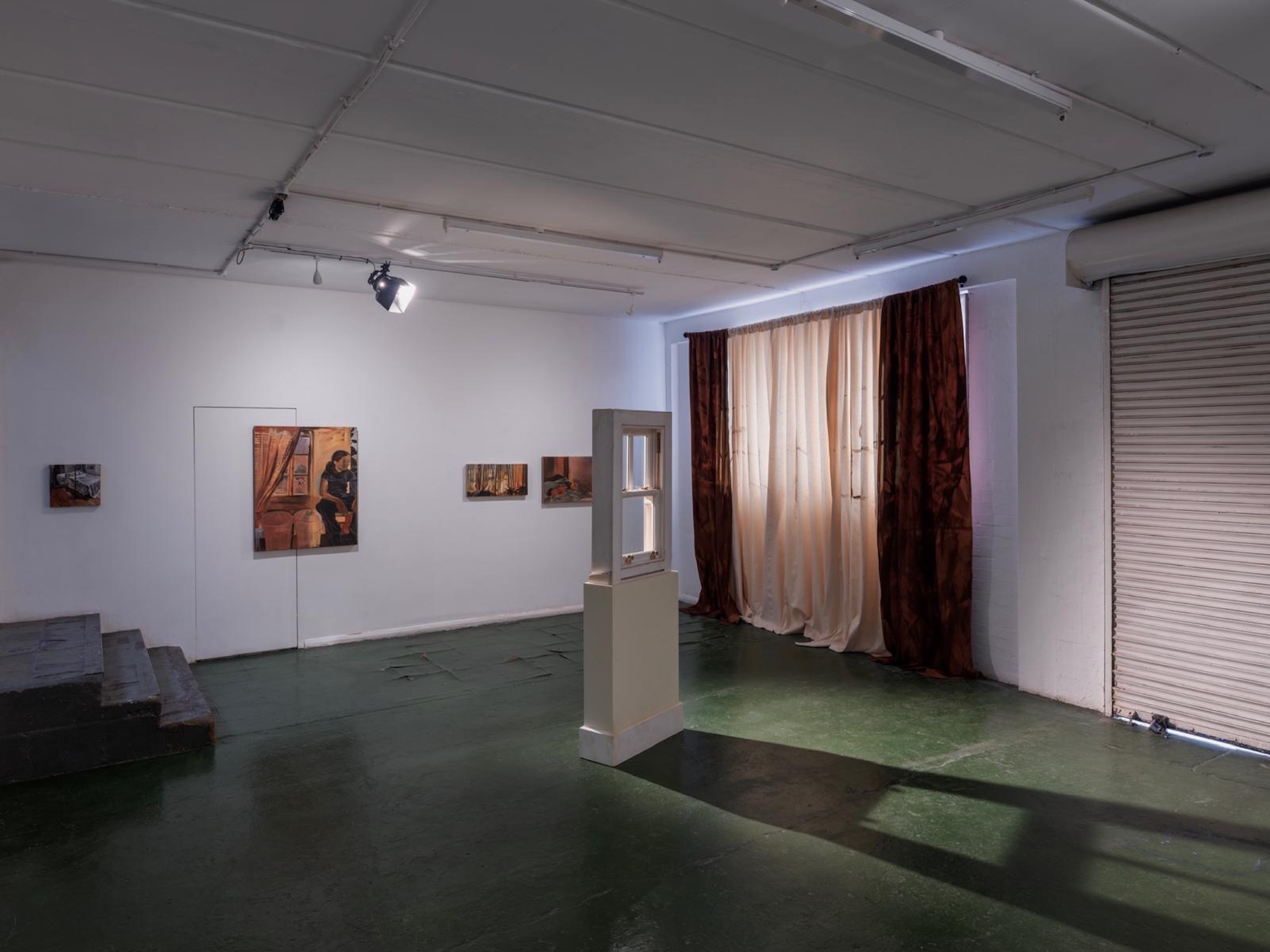
Voyeurism, interiors, colour, lasagne and pizza boxes.
The Landing, a much-loved Los Angeles gallery, has closed its doors, Artnews reports. The gallery operated in a 2,800-square-foot space on Jefferson Boulevard and represented a roster of both historical and living artists, including Jeremy Anderson, Yevgeniya Baras, Lenore Tawney, Ruth Asawa, and Brenda Goodman. Gerard O’Brien, the gallery’s founder and owner, posted a short […]

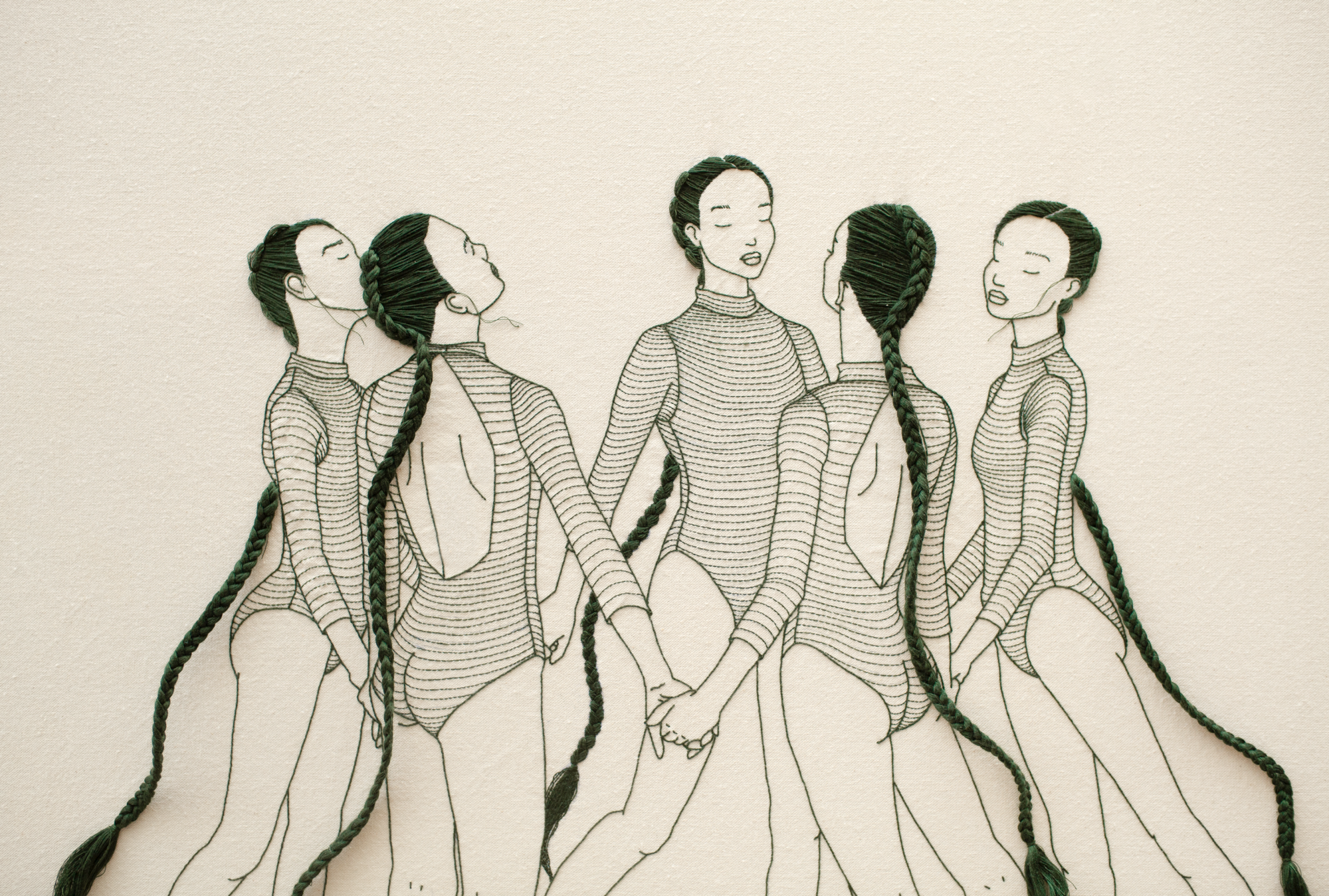
Model and ballet dancer Sheena Liam brings her understanding of poise, elegance, and graceful bodily movements to a more fixed medium. For the past several years, the artist has been stitching tender portraits of women with long, three-dimensional braids that cascade off the fabric. Occasionally, a single loose thread appears to have slipped out of its plait as it drifts across a protagonist’s cheek. Liam’s latest works are on view this month in her solo exhibition, The Unbearable Lightness. Several pieces feature figures sporting the same striped bodysuit with an open back, and the methodical pattern on the garment evokes both a sense of precision and rhythm depicted in the scenes. Dancers grasp hands in...
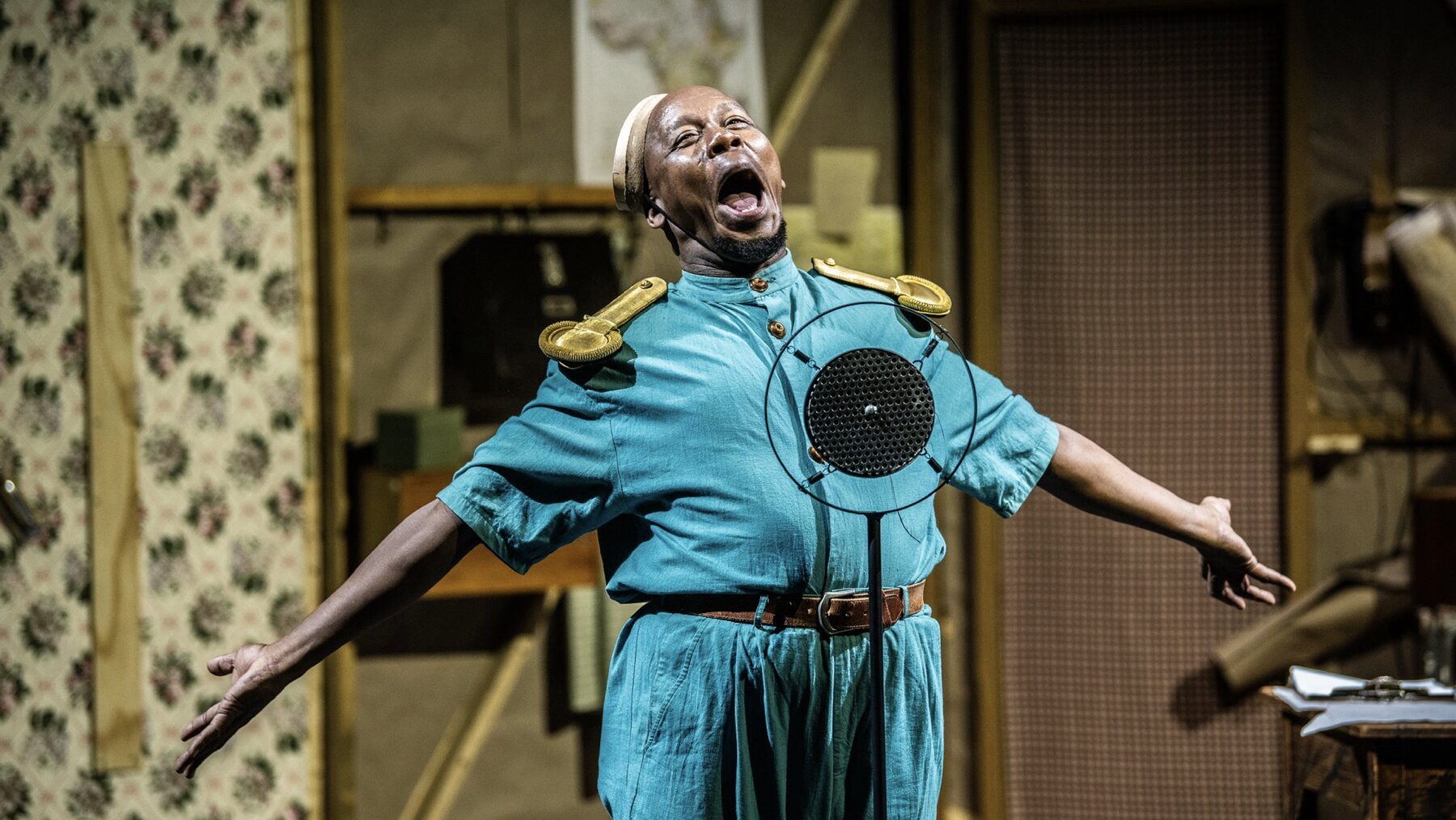
The Head & the Load, William Kentridge's multimedia World War I epic, receives a stirring West Coast premiere.
Gianandrea Noseda makes a strong case for Rachmaninoff's operas at the Zurich Opera, despite Dmitri Tcherniakov's senior citizen antics.

First-of-its-kind study on motherhood and discrimination reveals the career setbacks and breaches of employment law experienced by working mothers in the UK capital
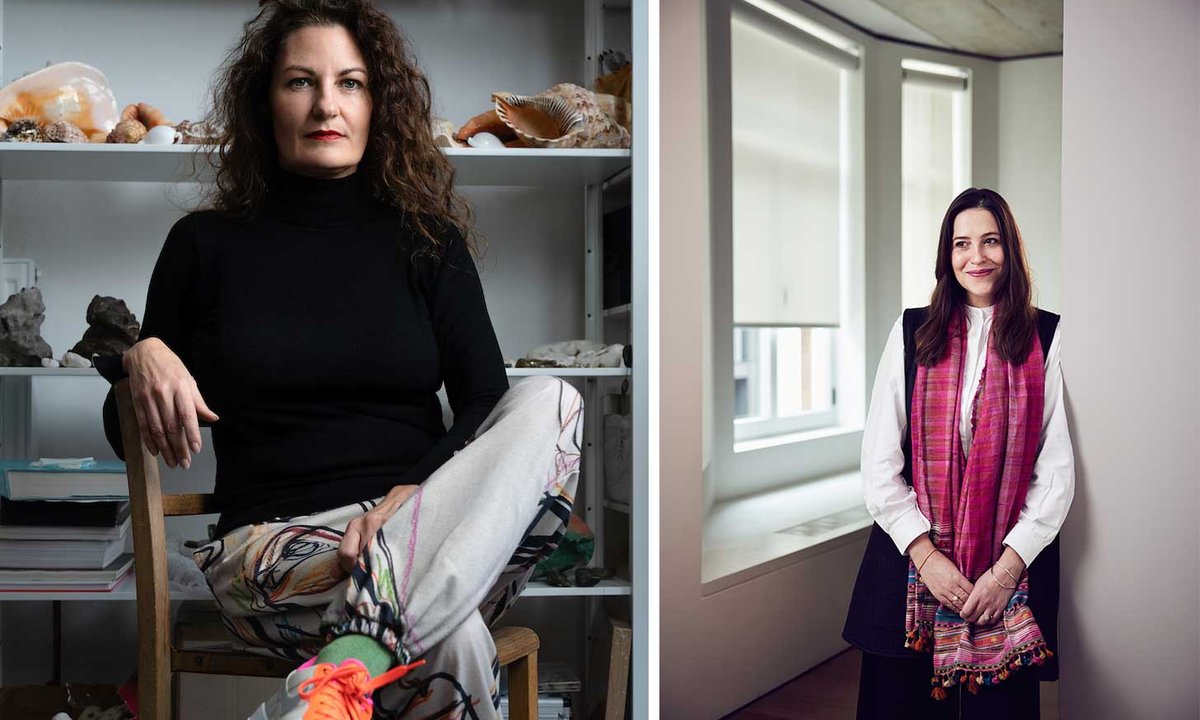
James Parker
James Parker’s Website
James Parker on Instagram
James Parker’s Website
James Parker on Instagram
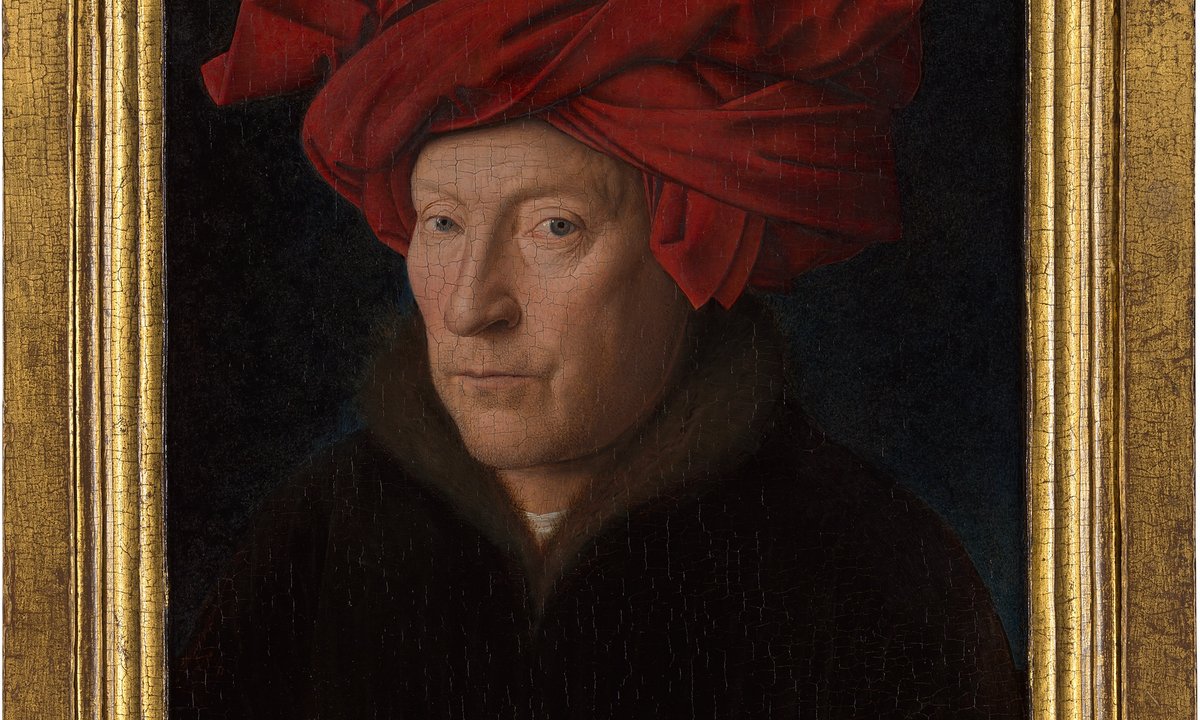
In this week's episode, Ben Luke tours a National Gallery show of Jan van Eyck's portraits, speaks with art market columnist Melanie Gerlis on the New York November auctions, and learns about a Renaissance wine cooler made for the Medicis on view at the Wallace Collection in London
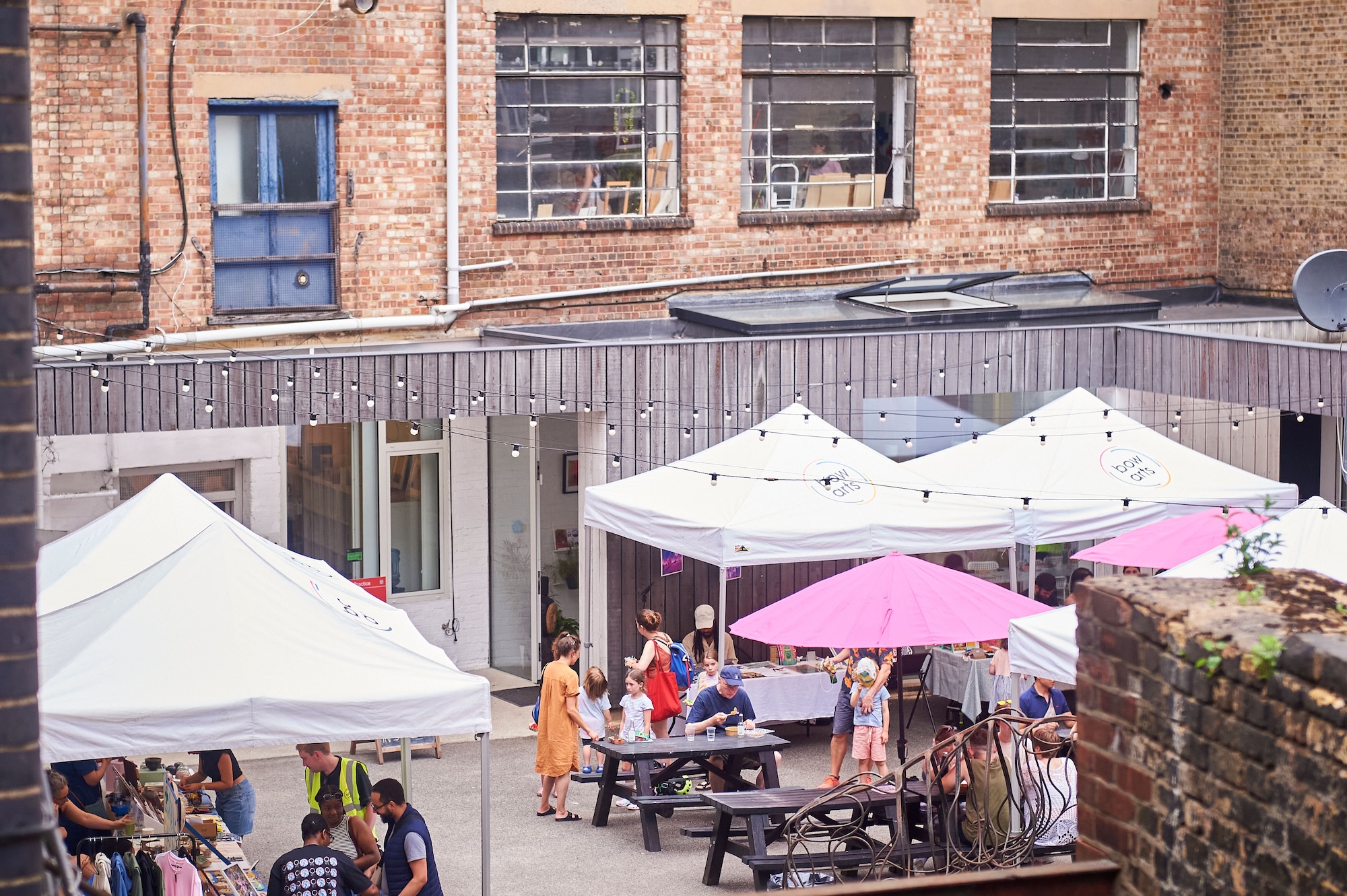
Bow Arts secures the long-term future of its Bow Road campus and affordable studios in East London.
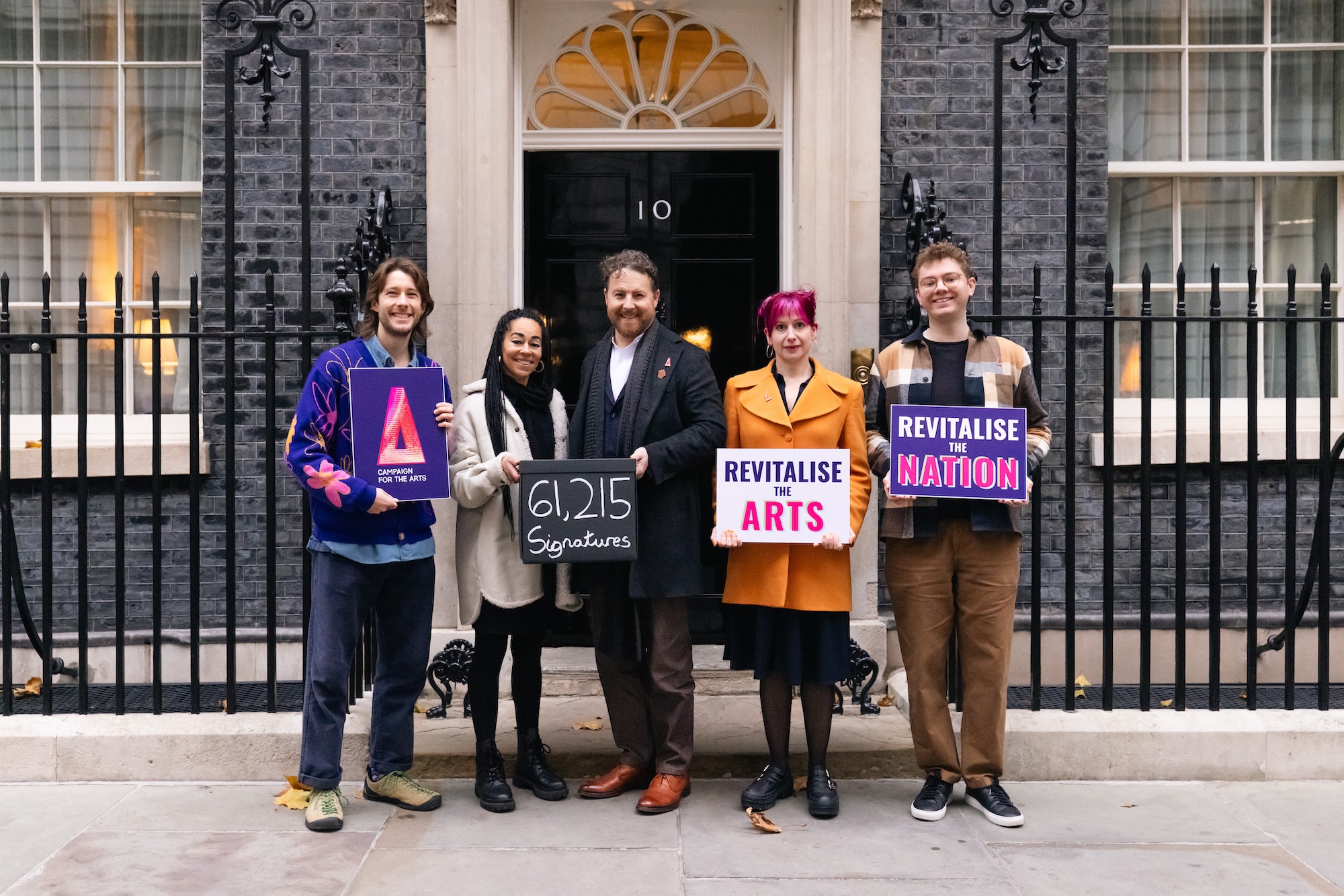
More than 61,000 people urge Andy Burnham to put arts and culture at the heart of Britain’s 10-year plan.
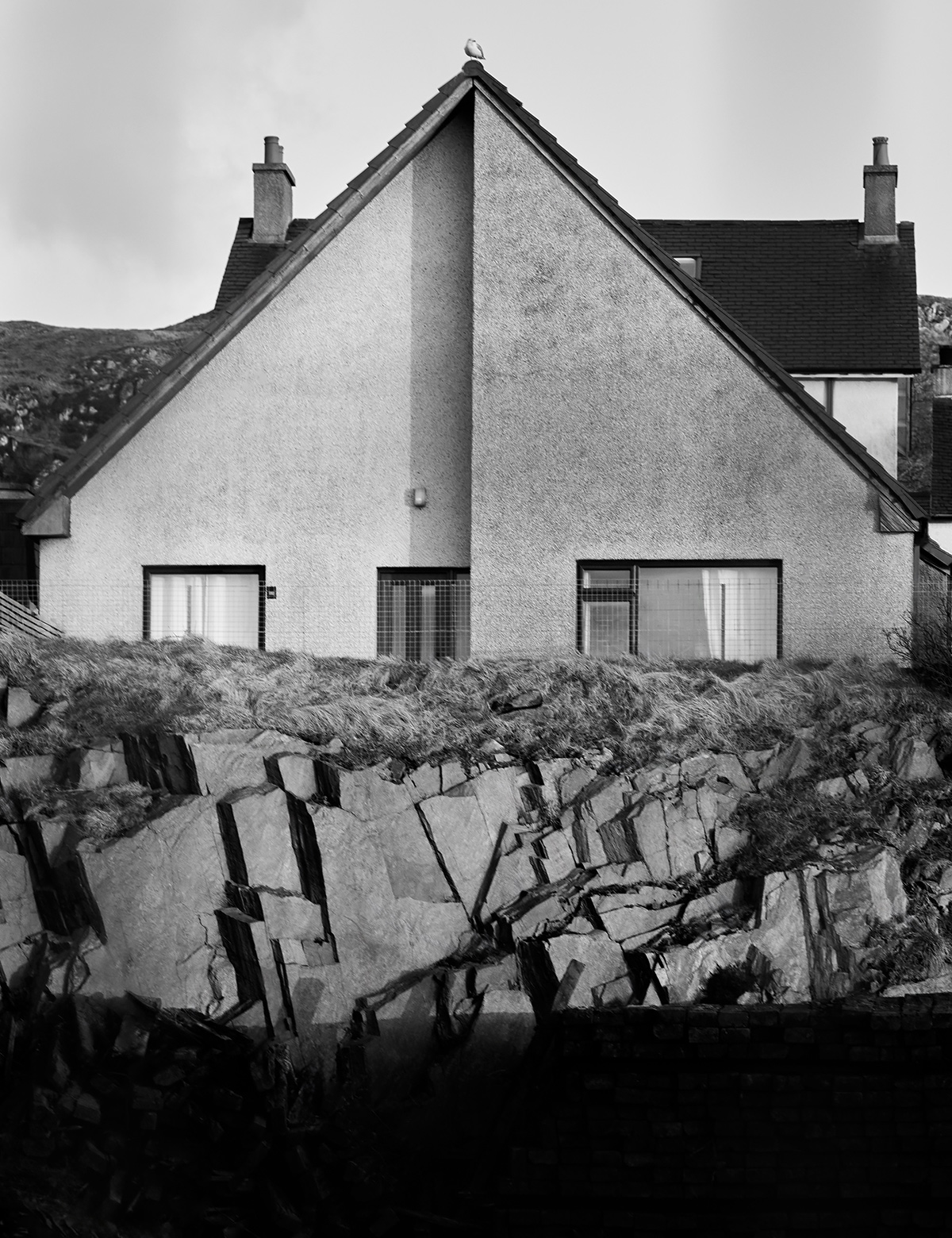
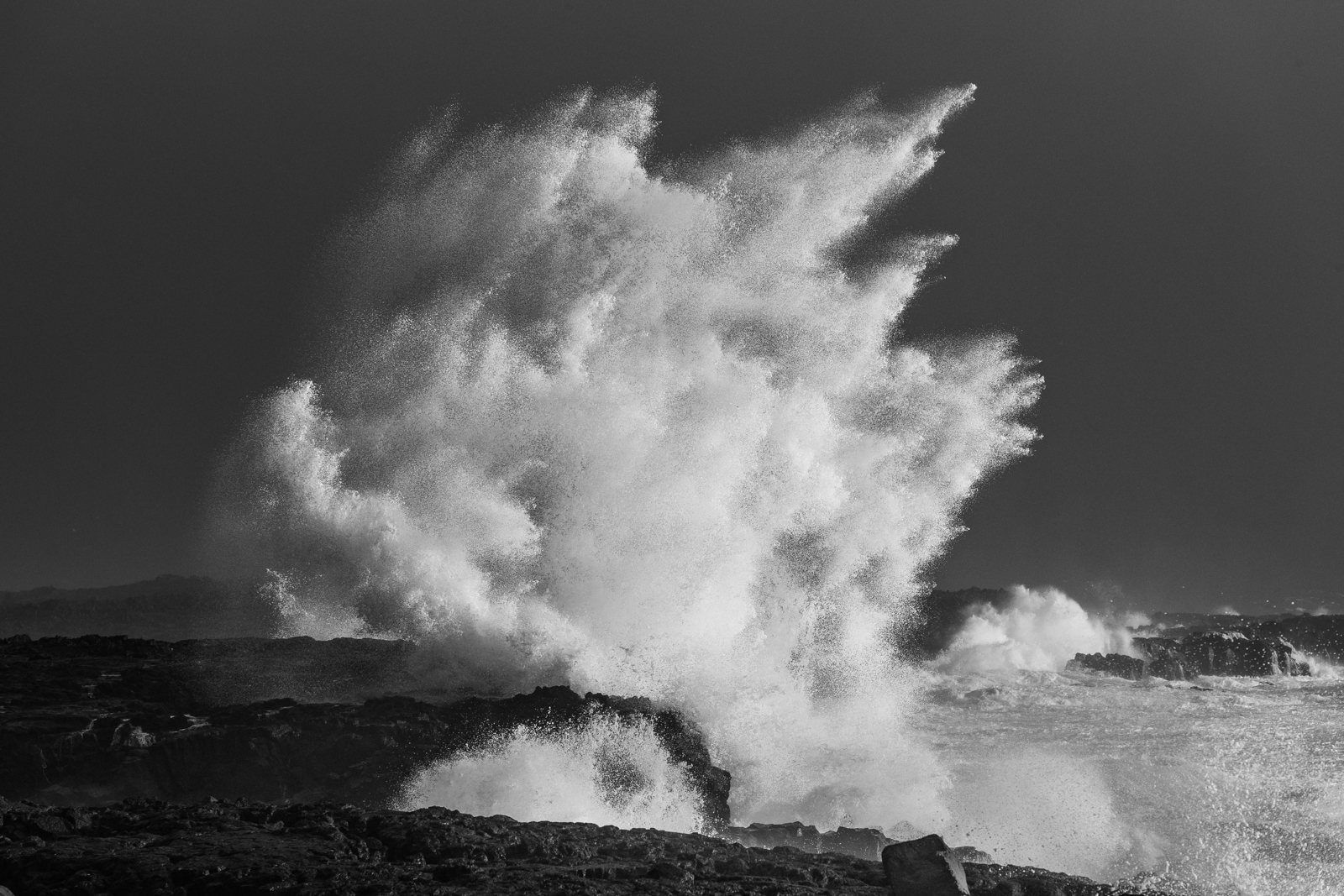
Along the rugged volcanic coast of Iceland’s Reykjanes Peninsula, Vilhelm Gunnarsson captures striking storm surf amid natural contrasts. Dark rocks and beaches send foamy waves into high definition, highlighting the forces that physically shape the artist’s home country. Using black-and-white, an approach inspired by fellow artist Ragnar Axelsson, Gunnarsson emphasizes profound tonal shifts and incredible vistas. Doubling as a press photographer and a member of a local rescue team, Gunnarsson is accustomed to working in a range of conditions. He captured these images during or just after a storm, when the waves are at their highest. Once you see an otherworldly face emerging from one of the crests, which...
Alison Smith on a street culture exhibition that looks far beyond nostalgia.
The New Museum has announced a multiyear partnership with the Toronto-based Vega Foundation, an organization dedicated to commissioning and supporting video art. It was launched by Elisa Nuyten, a New Museum board member. The Vega foundation primarily provides opportunities to emerging and mid-career artists who work in film and video. Recent artists who have received […]

A forthcoming documentary spotlights the life and work of luminary artist Jean-Michel Basquiat (1960-1988). Directed by Quinn Whitney Wilson and Viridiana Lieberman for Netflix, the feature film is the first project authorized by the artist’s two younger sisters, Lisane Basquiat and Jeanine Heriveaux, who helm his estate. In a trailer, the siblings describe their brother’s energetic approach to life and how the story typically told about his meteoric rise omits so much of who he really was. Simply titled Jean-Michel Basquiat, the film features archival footage and audio, along with never-before-seen works and commentary from his family. The documentary seeks to venture beyond the mythology that’s come to...

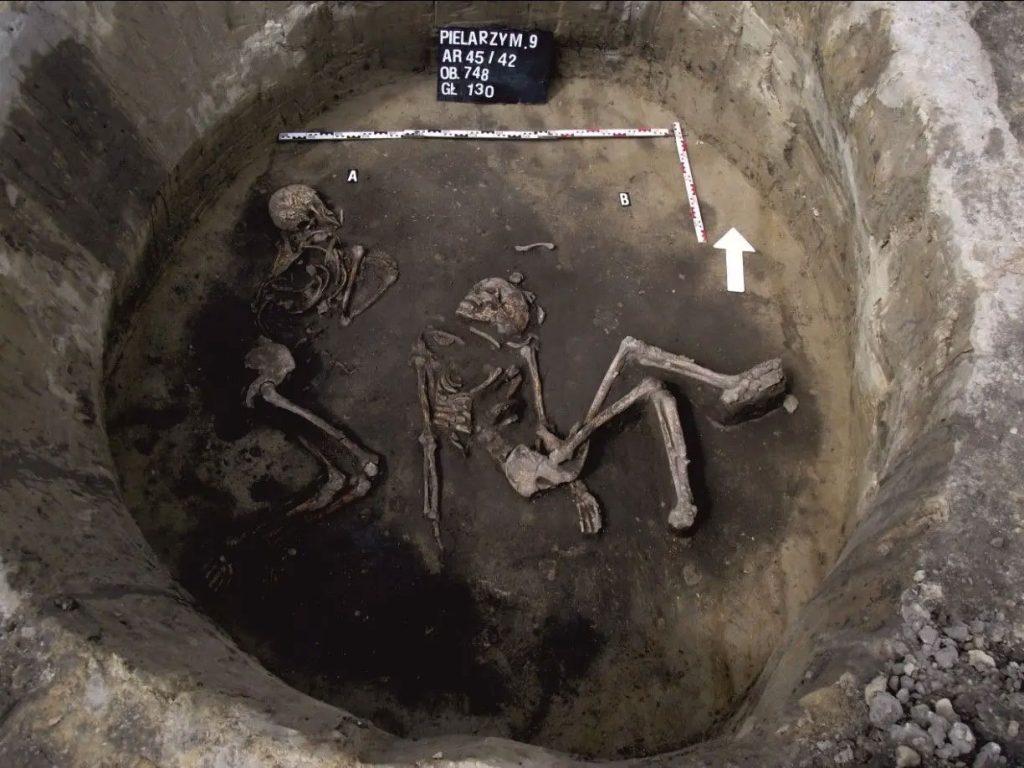
The individual on the left in this Bronze Age burial at Pielgrzymowice, Poland, is the earliest known millet consumer in Central Europe. POZNAŃ, POLAND—Millet was grown and consumed in Poland around 1590 B.C., or about 100 years earlier than previously thought, Science in Poland reports. Przemysław Makarowicz of Adam Mickiewicz University and his colleagues analyzed the isotopes in the teeth and bones of more than 190 individuals whose remains were recovered at archaeological sites in Poland and dated to between 2200 and 1000 B.C. The study suggests that millet, which is drought-resistant and grows quickly, was introduced gradually into the diet and became more important over time. “The introduction of...
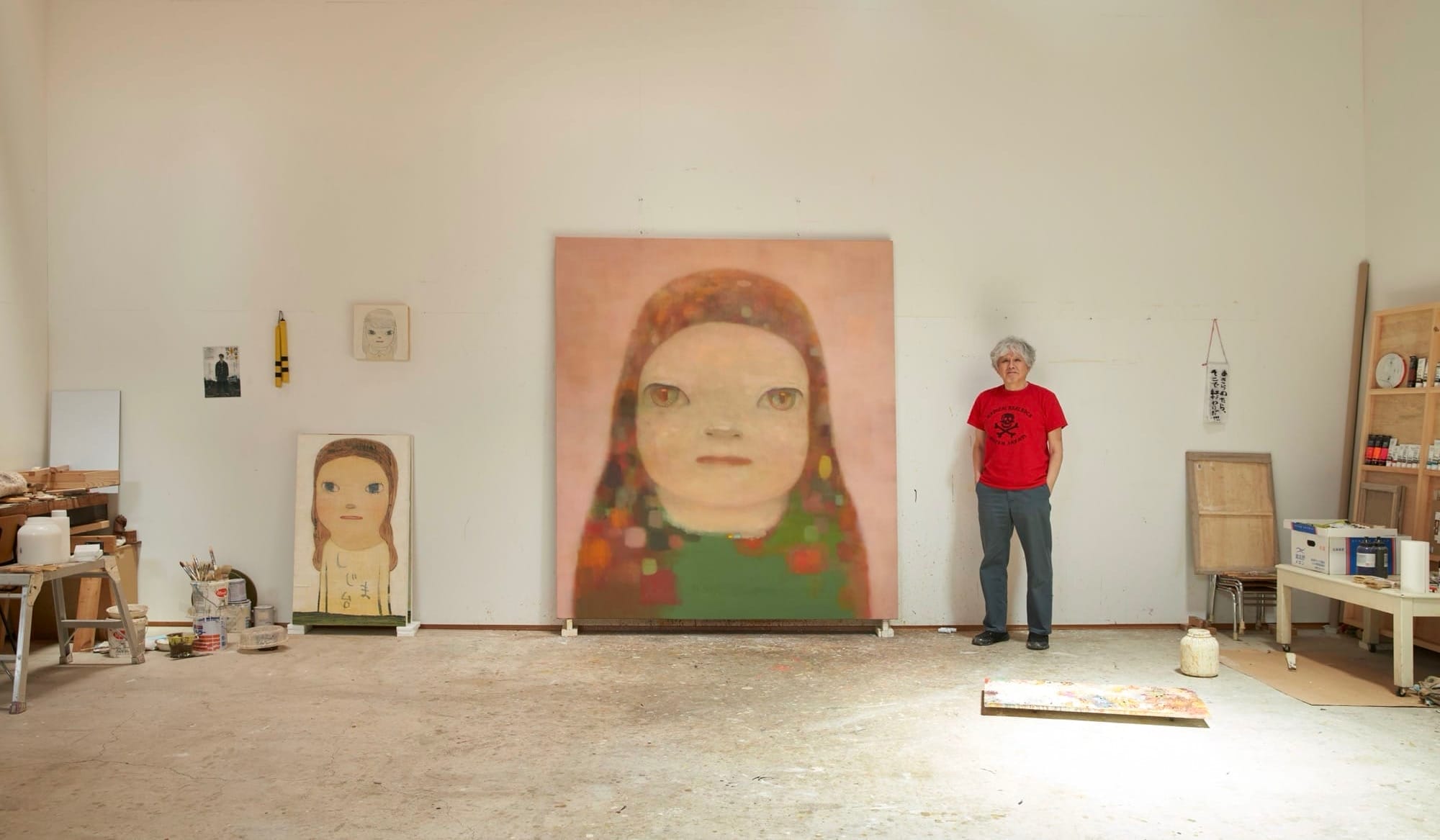
The first time I encountered Yoshitomo Nara’s work was when I opened the mailbox as an angsty teenager. A friend a few years older had recently visited the Walker Art Center, where she bought a postcard printed with two of the artist’s portraits and scribbled a note to her friend (me) still stuck in their tiny Wisconsin hometown. As is wont to happen to teenagers on the cusp of adulthood, I took that postcard as a sort of guiding light—a reminder that the world was bigger than the tractors and small-town gossip I was surrounded by—and promptly cut and taped the works to fit within my clear phone case. I carried this pair of strange characters everywhere I went for years after. Nara also was born and...
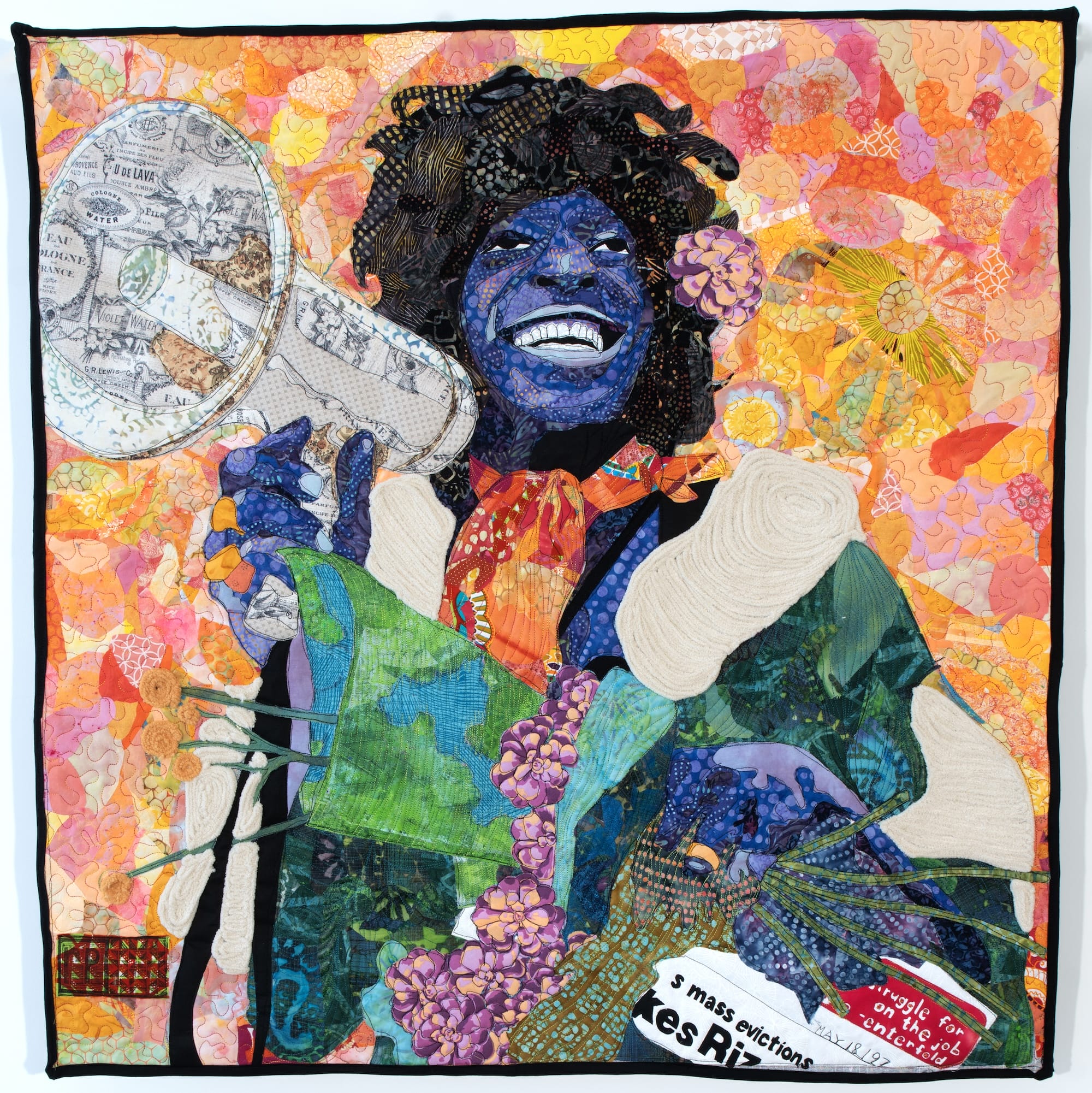
In the wee hours of a busy Saturday morning, on June 28, 1969, police raided The Stonewall Inn in Manhattan’s Greenwich Village, a renowned hangout for the LGBTQ+ community. During the 1950s and 1960s, few businesses openly welcomed gay people, and the legal system was against them—even two consenting adults in the privacy of their own home could face years in prison or a psychiatric institution if convicted of the crime of sodomy. Bar raids were common, but this one was particularly fraught due to the volume of people, and police quickly lost control. A riot erupted, which sparked even further protests over the coming weeks in what became known as the Stonewall uprising. Among those on the front lines,...
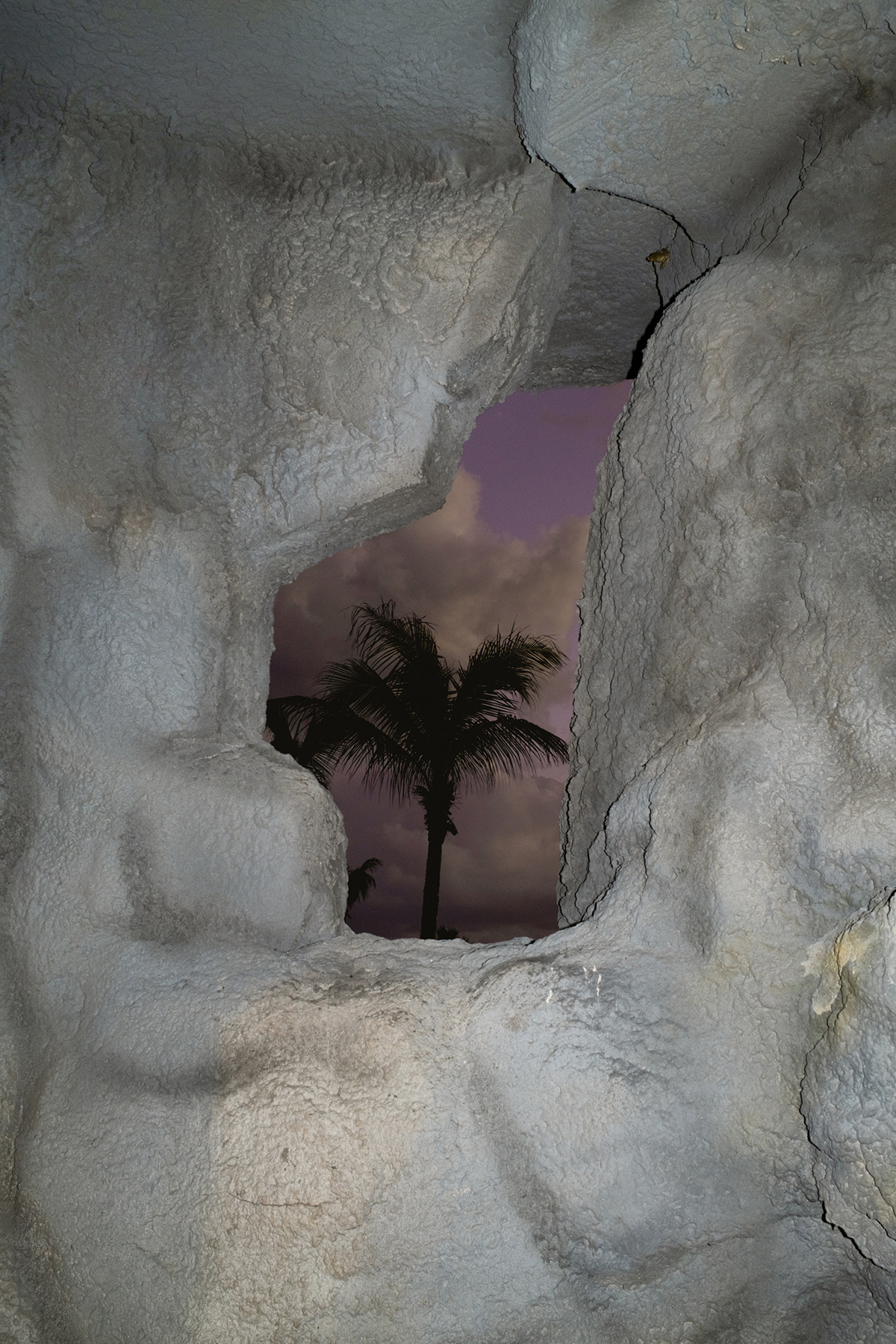
Tristan Martinez
Tristan Martinez’s Website
Tristan Martinez on Instagram
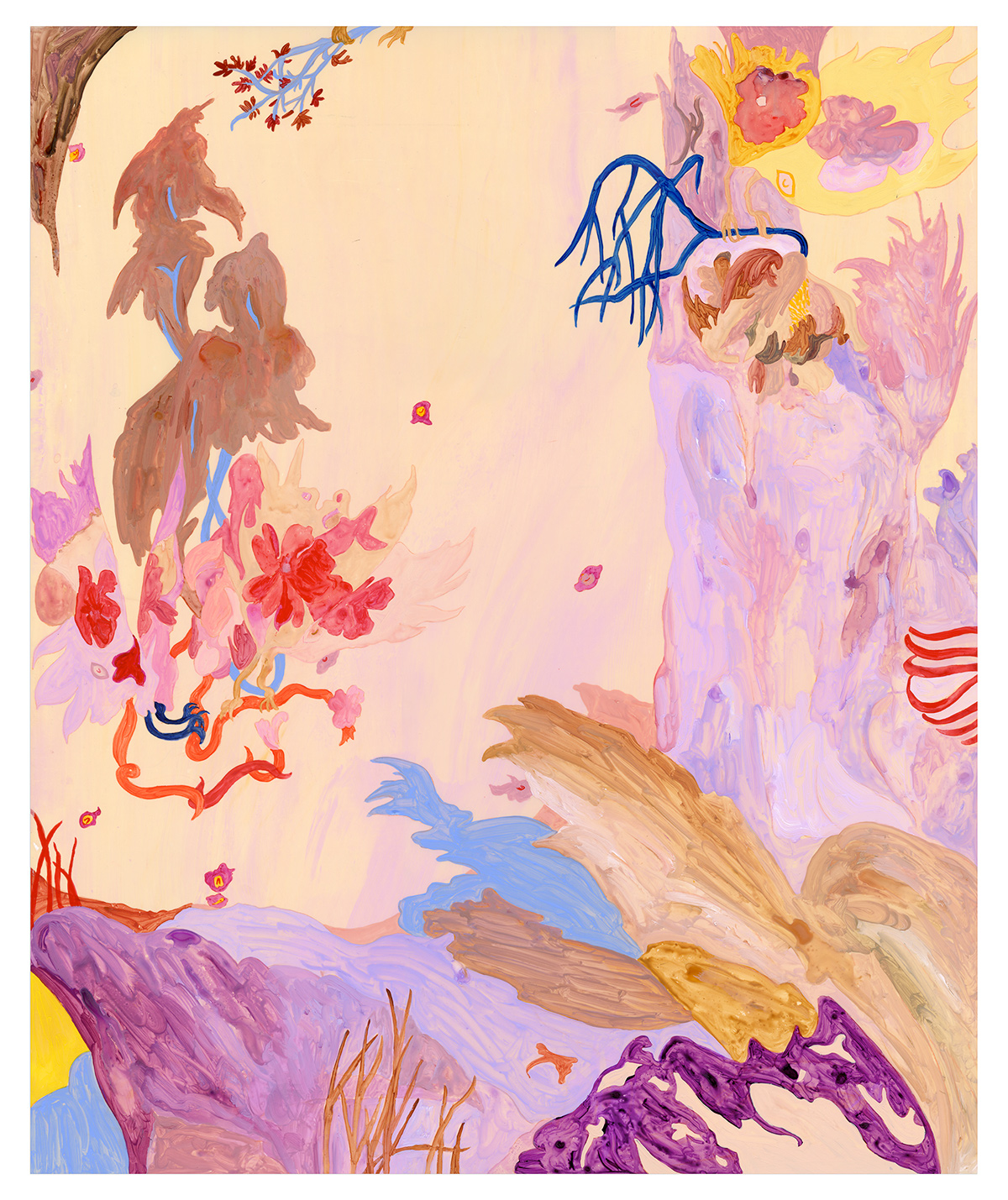
Tristan Martinez’s Website
Tristan Martinez on Instagram
Cary Hulbert
Cary Hulbert’s Website
Cary Hulbert on Instagram
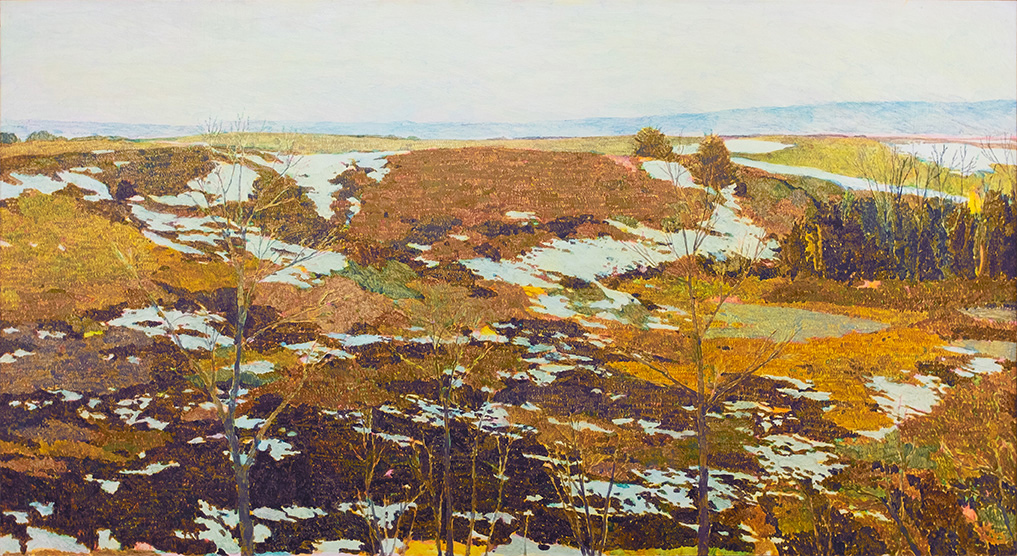
Cary Hulbert’s Website
Cary Hulbert on Instagram
By Kristine Schomaker A dear friend, Heather Lowe, died last week. I have been losing friends, and every time I think I have figured out how to do this, I haven't. I'm writing this to put her somewhere that isn't only in my head. I found out Heather had passed away right before going into an appointment. How did I get through it? I have no idea. I reached out to a friend who had no idea. We were both in disbelief. How do you understand what it means for someone so vibrant and beautiful to be...

By Kristine Schomaker A paper shopping bag hung on the wall at Charlie James Gallery. Javier’s, across the front. Under a tree, drawn in soft browns, a man lies in the grass with his hat tipped and his body finally still. A nap. Or maybe the only ten minutes he’s had to himself all day. Narsiso Martinez draws on the things we throw away without thinking. The bag, the produce box, the clamshell. And on them he draws the people we disregard just as easily. The farmworkers who pick our food and...

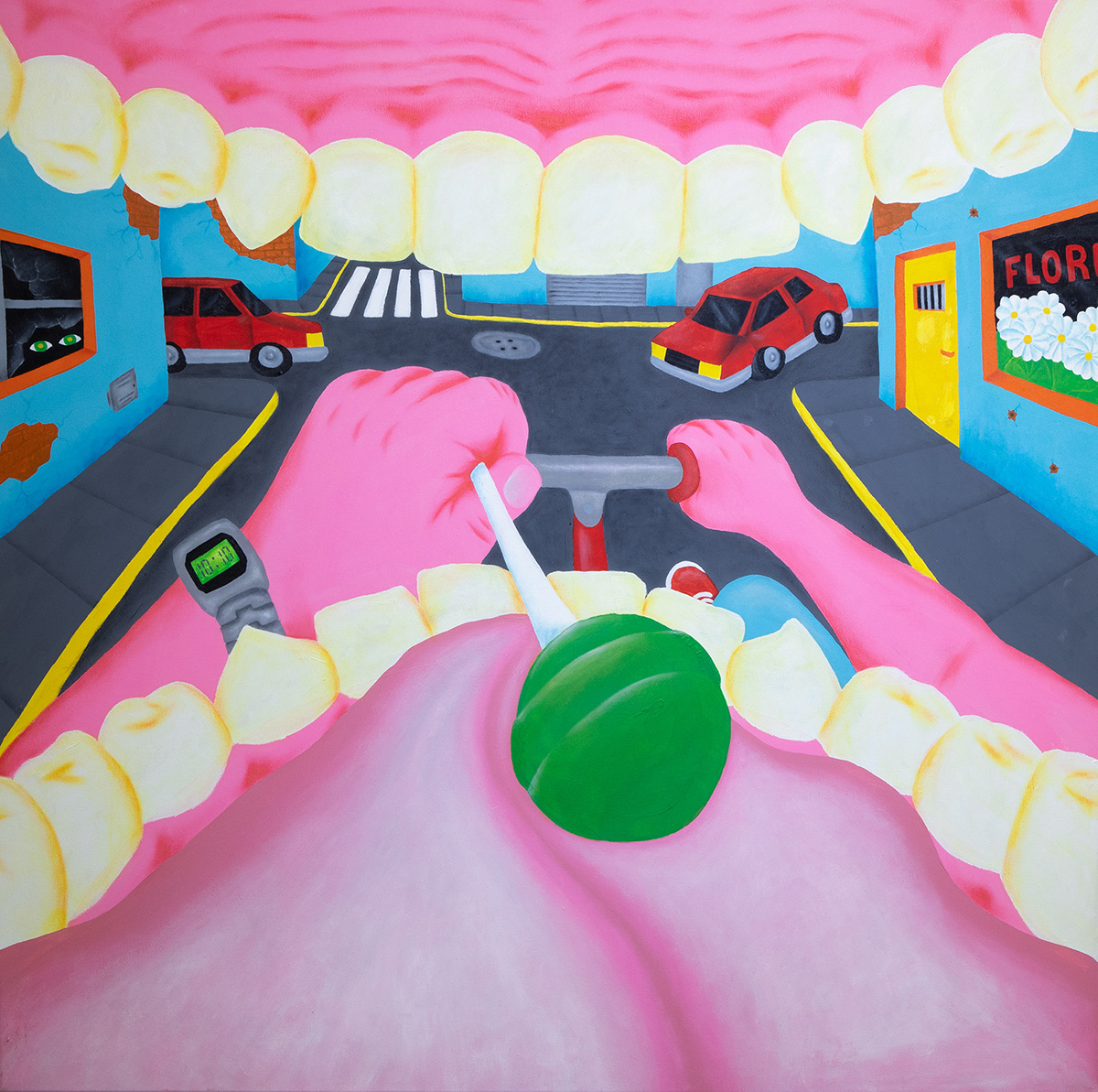
UK artist Harry Waine, aka, Jimi Biscuits, oh-so-gently smacks viewers with a one-two punch of color and content that feels like reading retro comics on acid. Fusing punchy, wry humor with stunning and stark graphics, he’s built a following on Instagram, and collaborated with the likes of Paperwallet and various record labels to create a […]
The post “Art Is Slowly Adding the Unnecessary”: An Interview With Jimi Biscuits first appeared on Hi-Fructose Magazine.

The post “Art Is Slowly Adding the Unnecessary”: An Interview With Jimi Biscuits first appeared on Hi-Fructose Magazine.
All photos by Yubo Dong Ian Davis convenes nondescript characters into enigmatic gatherings. Often male, he calls them “actors.” But what kind of actor? They seem to be always on the brink of chaos or recoiling from its aftermath. Their exact charge is unclear to the viewer, and Davis has said in the past that […]
The post Toil & Trouble: The Enigmatic Paintings of Ian Davis first appeared on Hi-Fructose Magazine.
The post Toil & Trouble: The Enigmatic Paintings of Ian Davis first appeared on Hi-Fructose Magazine.
With photos provided by Stephen ESPO and Matthew Kuborn, courtesy of ESPO Stephen Powers is a New York-based artist with a bold, straightforward style that combines minimalism, a carnival sideshow joie de vivre, and pristine design. Nothing about his career makes sense. He spurns the dealership model and operates an atelier-style shop in New York […]
The post The Handwritten World of Stephen ESPO Powers first appeared on Hi-Fructose Magazine.
The post The Handwritten World of Stephen ESPO Powers first appeared on Hi-Fructose Magazine.